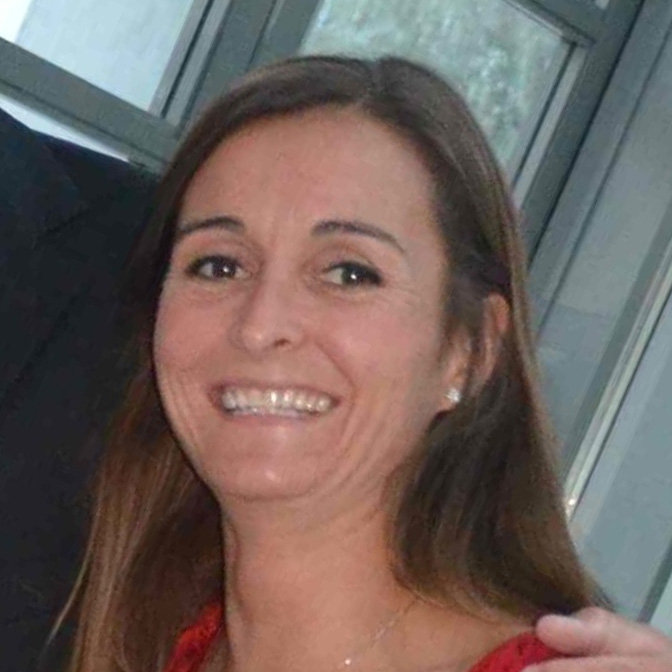
JOHN SHEGERIAN: Welcome to another edition of Green is Good. We’re here at the Green Festivals in San Francisco, again at the Green Festival, one of the greatest Green Festival series in the world. Today we’re in San Francisco, and we’ve got the founder with us of Charlie Banana, Gaëlle Wizenberg. Thank you for joining us today at Green is Good.
GAËLLE WIZENBERG: Thank you for having me.
JOHN SHEGERIAN: This is really special stuff. We’ve never covered this issue before on Green is Good, so this is really, really exciting to talk about the joy of cloth diapering in the sustainable world. This is a very important topic, obviously. Can you share a little bit, before we get talking about Charlie Banana and how you founded the company, share your journey a little bit, Gaëlle. Did you grow up in a green household? Was this something you just learned along the way? Were you a sustainable family, or is this an epiphany that came to you that you had to make a change in your life for some reason or another? We’d love to hear your journey.
GAËLLE WIZENBERG: Wow. My journey began on the boat in France. I crossed the ocean with my parents. Living on a boat, you have to be green, you have to save, you have to be very careful with energy and resources, and you have to be creative to have fun because there’s no Toys R Us around the corner. So we were always doing monkey business with nothing and making something out of little things. I think the creative part started early on, and the love of blue lagoons and the conservation about the beautiful world that we are all in was very important, I think. By traveling and living in Hong Kong, I was exposed with my family to a high level of pollution. I think the seed of really wanting to make a difference and try to change the world started there.
JOHN SHEGERIAN: And you became a mom.
GAËLLE WIZENBERG: And I became a mom.
JOHN SHEGERIAN: I’m sure that fueled that passion, when it came to sustainable diapers and cloth diapers and things of that such. Talk a little bit about the starting of Charlie Banana. For our listeners out there and our viewers out there, to find Gaëlle’s great products, which you can see a little sampling here on the table, she brought this for me, actually, today, it’s www.charliebanana.com. Just as it sounds, www.charliebanana.com. Share a little bit about when it happened, what year you started this, and how you started the business and its humble beginnings.
GAËLLE WIZENBERG: I started seven years ago, manufacturing baby diapers with other companies, and then I started my own brand four years ago. We launched with target.com and babiesrus.com right from the start. They were big partners of us, but I have a background from the toy industry, so that gave me a lot of connections and being in Hong Kong was a little easier for me.
JOHN SHEGERIAN: Listen, don’t downplay all the great things you’re doing. Connections are one thing in life, but being able to connect the dots and make something really happen is a special skillset. So as an eco-preneur that you are, my hats off to you by being able to have partners like that just from the beginning. That’s really an accomplishment and really important. Many times, businesses start and try for years to get into those brands and never can break in. So you started. Explain what Charlie Banana is and the great clothing diapers that you’ve created here, and why it’s so different than everything else that’s out there, and why it’s so important for our viewers and our listeners to use the Charlie Banana brand as opposed to the old stuff that’s out there that’s very non-sustainable.
GAËLLE WIZENBERG: First of all, there’s not too much old stuff out there because cloth diapers have become so modern. There are amazing companies today that are doing beautiful products as well. The novelty with Charlie Banana is our sizing. We have a patent sizing system that’s wonderful. Basically, we can have a diaper that starts as an extra small, just tiny like this, and that same diaper will go to a 4- to 5-year-old baby. It’s the same diaper. There’s no snap in the front, nothing, so it doesn’t damage the pattern or whatever design you’re making. I’ll show you how the one size system works. Inside the pockets, there’s a bra system, so dad and mommy understand the system. It’s a bra, right? You know how to deal with that.
JOHN SHEGERIAN: Yeah, this is easy.
GAËLLE WIZENBERG: So you can size the extra small or small or large.
JOHN SHEGERIAN: Got it. Right there. We have viewers out there, but for our listeners out there, the small, medium, and large are marked with an S, M, and an L, so it’s easy to see.
GAËLLE WIZENBERG: Yes. There’s a pocket. It’s fleece, so it’s extremely soft. You want to put it on. I can make you want your size. I can see you in camo. That would be good.
JOHN SHEGERIAN: That wouldn’t be bad, actually.
GAËLLE WIZENBERG: I’m having a visual.
JOHN SHEGERIAN: I like it.
GAËLLE WIZENBERG: Basically, all of our diapers come with two inserts. We have a nice, big label so it’s easy to remove and you don’t touch anything, which is a nice little touch. The fleece will get anything good through, and it gets absorbed by the insert. Really, it’s a no-brainer when it comes to the ease of use. A lot of people don’t want a cloth diaper because they’re scared of the poo factor, and that’s the only thing really why people are not cloth diapering. So we have those wonderful Charlie Banana wipes. They are bamboo, and you put them on the fleece layer, just like that, and then if the baby poos, you lift the bamboo, you flush it into the toilet, then you have a dirty diaper, but it’s not a messy diaper. You separate the insert, you throw it in the washing machine, they go in the dryer. All you need is 24 pieces. If you use disposable diapers, it’s about 6,000 pieces the first two years. Now, what happens is that every parent is different, and what we wanted is to give them options and convenience. So we have disposable inserts that are made out of wood pulp and bamboo. If you are out in a boat or in an airplane, you just stuff it in there, and boom, you have a disposable diaper in a way, where you don’t have to carry dirty inserts.
JOHN SHEGERIAN: And there’s no washer nearby or something of that nature.
GAËLLE WIZENBERG: Exactly. And then we have a little tote bag because a lot of people say, “Gaëlle, what do I do with the dirty diapers?” You wrap it up just like a regular diaper, and then you toss it into your little wet bag. And then oops, you’re done. It rolls up on the stroller, you can use it for other things, bottles.
JOHN SHEGERIAN: One stop shop. That’s awesome. Now, your products are not only functional, not only sustainable, not only engineered with every possible permutation in mind, and they’re actually aesthetically beautiful, they really are, and for our listeners and viewers out there, my hand never felt something so soft as what I just felt a little while ago. Let’s talk about now the sustainability function, numbers and science. What has been the pushback? Why haven’t more people changed from strictly using disposable diapers on their children to these beautiful and luxurious, in many ways, cloth diapers?
GAËLLE WIZENBERG: I think it’s a misconception. People think that disposable diapers are more convenient because they’ve been brainwashed by commercials of that baby sleeping well, and it’s not true. The marketing has been so strong that it’s hard to avoid it. It’s like handkerchiefs and Kleenex. Now people are starting to use handkerchiefs, which are better, they’re nicer, you throw them in the wash, they’re cute. You have your monogram on there and they’re elegant. They’ve been used for many years. Your Kleenex box creates waste, bleach, wood pulp. It’s a lot of waste for nothing. They actually dry your nose and they irritate the babies when you use them. I think there’s the same kind of thing.
JOHN SHEGERIAN: If the world started using Charlie Banana’s great diapers, how much waste would we save from disposable diapers going into our landfills around the world?
GAËLLE WIZENBERG: It’s about one ton per baby, just the diapers, not even the wipes and everything else. Just the diapers.
JOHN SHEGERIAN: Gaëlle, what kind of advice do you have for expecting parents? Obviously, the baby business, as you know, you’ve been in it now for years, you had history in it before even this great company that you’ve created. What advice do you have for our listeners and our viewers out there that are considering having a baby or are already expecting? How can we unbrainwash them all the mass advertising that they’ve been subjected to most of their lives?
GAËLLE WIZENBERG: I would say if you’re really considering cloth diapers, buy one to try it. It probably will be the best $20 you’ve ever spent in your life. You’re not making a big investment. You’ll see for yourself how nice and soft and how easy they are. A lot of dads are getting onboard, as well. If your husband is a little bit iffy about it, there are many ways to convince them.
JOHN SHEGERIAN: Some of which we will not discuss on Green is Good today.
GAËLLE WIZENBERG: Could be green and eco-friendly.
JOHN SHEGERIAN: Talk a little bit about what are the real benefits now? You talked about saving one ton of waste reduction per baby. Some of the other benefits of using your beautiful cloth and sustainable diapers versus the throwaway diapers that exist today, some of the other things we talked about in terms of what are the other benefits to the baby in terms of rash, hypoallergenic, all that other kind of great stuff?
GAËLLE WIZENBERG: Alright. Basically, cloth diapers are amazing for the comfort. They are much softer. The disposable diaper, they feel like an oven mitt. You know those oven mitts you put on and they make your finger fuzzy? That’s the same feel on the skin, I’ve found. The comfort is number one. They are cute. They look amazing. You don’t even need clothes for your baby for the photo opp when they’re newborn. This one is adorable. They will be cute and comfortable, which is what most parents want to start with. They will not get diaper rash because there is no chemicals, so the baby is not sitting in a plastic bag. That’s another thing that’s interesting. Nowadays, people want organic clothes, organic food, but it’s OK to leave the baby 24 hours in a plastic bag full of chemicals. I don’t understand that. It doesn’t fit with the whole thing.
JOHN SHEGERIAN: Again, some of their most private parts. Wow.
GAËLLE WIZENBERG: Exactly. You know what I mean? We need to change that. If you’re going to go make your own pureed baby food, you have to cloth. Even if you don’t, you have to cloth. There’s no rash, so you have less visits to the doctors. You don’t have to spend money on prescriptions with cream. Imagine yourself if you have a rash on your bum even for one day, it could be painful. Imagine if you have it all the time. Those little babies, they’re not happy. They don’t sleep well. When a baby doesn’t sleep well, he’s cranky.
JOHN SHEGERIAN: Mommy and daddy don’t sleep well.
GAËLLE WIZENBERG: So I think it impacts also the caretaker. If they have a baby that’s in pain, it’s a lot fussier, it’s not happy, it’s not gigging. So if you have a happy baby that’s comfortable, then it’s a joy to take care of that baby.
JOHN SHEGERIAN: That’s really true. For our listeners and our viewers out there, we’re with Gaëlle Wizenberg today. She’s the founder of Charlie Banana. To find her great website and her products, it’s www.charliebanana.com. A couple more questions, Gaëlle. Talk a little bit about the logo and the brand name. How did you come up with this?
GAËLLE WIZENBERG: I actually didn’t come up with the name. My son, Zachary, did it. It was all his work. It’s a family business. Charlie is my daughter, and she’s younger than my son. We asked Zach what Charlie’s middle name should be, and he said Banana, and Charlie Banana, being in the toy industry, was like an instant trademark. It’s like Kodak. You can pronounce it in any language, which is a bonus, and I could also apply it on any products. Charlie Banana is not just a diaper brand; it’s a lifestyle brand because we have diapers, we have swim diapers, we have underwear, we have feminine pads for women, laundry soap.
JOHN SHEGERIAN: How old was Zach then, when he came up with it?
GAËLLE WIZENBERG: He was two-and-a-half.
JOHN SHEGERIAN: And how old is he now?
GAËLLE WIZENBERG: He’s eight.
JOHN SHEGERIAN: So now, if people want to contact Zach to brand their new products, they just go through mom, who’s his agent. He came up with this great brand name, and how about the logo?
GAËLLE WIZENBERG: The logo, I designed it, and there’s a story behind it. If you look at my pendants, self-marketing, if you turn it around like this, in Chinese it means double happiness. But if you turn it sideways, you have the C of Charlie and the B of Banana, and it kind of looks like bamboos in the middle. With Charlie Banana, you have no chemicals, so it’s good for you and it’s good for the planet because you have the waste reduction, so you do get that double happiness.
JOHN SHEGERIAN: Wait a second. You designed that?
GAËLLE WIZENBERG: I designed the logo.
JOHN SHEGERIAN: That is just gorgeous. And it’s on all the products. I see it on all the products, the Charlie Banana logo.
GAËLLE WIZENBERG: Yes. I’m an interior designer by trade, so design for me is everything.
JOHN SHEGERIAN: Natural.
GAËLLE WIZENBERG: Yes, but it has to be good design. Everything has to fit properly.
JOHN SHEGERIAN: I don’t mean to divert ourselves from the great, beautiful, natural clothing, but are you making more of those pendants? Are they for sale, or is that just the founder’s pendant?
GAËLLE WIZENBERG: This is the founder’s, but I give it to very special people who have helped me grow the company, employees or sales reps.
JOHN SHEGERIAN: It’s a badge of honor for Charlie Banana. Since this is all about sustainability and Green is Good is about the beautiful green products you’ve created at Charlie Banana, Gaëlle, talk a little bit about sourcing, the sourcing of what you put into your great products. How important is the sourcing, and where does it come from?
GAËLLE WIZENBERG: The sourcing is very important because it makes everything. We have factories in China that are an hour-and-a-half away from our office that are partners, that are friends of the family for 25 years. Since day one, they just believed in me and they really helped us grow. They’ve been behind us even with cash flow and everything else. They were really the main supporters of the brand, and they are all quality like you would not believe. We try to do eco-tex fabric or thread. All the testing is done to high, high levels. We overtest products over standard tests that you can do, and we do extra in-house just to make sure. We do abuse tests. When we sell to Target stores and stores like that, we have to pass every standard. Even if I didn’t sell to those stores, I would do the same test because it’s babies we’re talking about, even human. We always resource the best material, the best quality, the least chemicals. It’s tedious work, really. The packaging also, we do soy ink, we do recycled.
JOHN SHEGERIAN: So sustainability is in the culture and the DNA of Charlie Banana, right from beginning to end.
GAËLLE WIZENBERG: Yes.
JOHN SHEGERIAN: For our listeners and our viewers out there, Gaëlle, where can they find the Charlie Banana brand clothing for their babies and diapers? Where can they find all these products?
GAËLLE WIZENBERG: Currently, they’re available at Buy Buy Baby store. We have a beautiful section there, all over the U.S. They’re on target.com. We’re not in store any longer, but eventually, we’ll get back in it. You’re in and out. That’s the way it works. Sorry for Target shoppers. We’re on babiesrus.com, amazon.com, diapers.com, and all over the U.S, we have independent retailers that are wonderful that workshop as well. You can go on charliebanana.com and if you’re outside of the country, we sell in other countries, in Asia, in Europe. We have distributors pretty much all over the world.
JOHN SHEGERIAN: Gaëlle, thank you for being with us today. For our listeners and viewers out there who are thinking about having a baby or are about to have a baby, or already have a beautiful baby, buy the Charlie Banana diapers now and do your baby and do your family a favor, and do the planet a favor. Gaëlle Wizenberg, you are truly living proof that green is good.
GAËLLE WIZENBERG: Yes, thank you.
Top FAQs from the Episode
Here are answers to some of the most common questions from this conversation.
Gaëlle Wizenberg describes a sizing system intended to let one diaper adjust as a child grows. She demonstrates the internal adjustment system in this archived interview.
Wizenberg describes a soft pocket lining and removable absorbent inserts. She explains how the design was intended to make reusable diapers more approachable for parents.
Wizenberg explains that Charlie is her daughter’s name and her son suggested Banana as a middle name. She describes recognizing it as a memorable brand name that could extend beyond diapers.
 Spotify
 Apple Podcasts
 Amazon Music
 iHeartRadio
 YouTube
 YouTube Music
 Audible
 Pandora