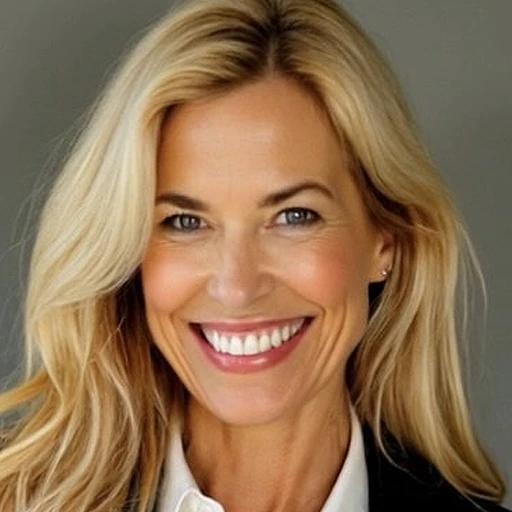
Dr. Dawn Mussallem, DO, DipABLM, was appointed Chief Medical Officer of Fountain Life, a premier longevity company, in December 2025. Previously a renowned Mayo Clinic consultant in hematology/oncology and a double board-certified lifestyle medicine specialist, she leads Fountain Life’s efforts to advance AI-driven, proactive, and preventive health strategies. Her professional mission is deeply shaped by her own extraordinary health journey. She had a stage IV cancer diagnosis three months into medical school, followed by a life-restoring heart transplant in 2021. In a landmark achievement, she became the first person in the world to run a full marathon one year after a heart transplant, embodying the principles of recovery, regeneration, and peak performance that she teaches.
John Shegerian: Do you have a suggestion for a Rockstar Impact Podcast guest? Go to impactpodcast.com and just click “Be a Guest” to recommend someone today. This edition of the Impact Podcast is brought to you by ERI. ERI has a mission to protect people, the planet, and your privacy, and is the largest fully integrated IT and electronics asset disposition provider and cybersecurity-focused hardware destruction company in the United States, and maybe even the world. For more information on how ERI can help your business properly dispose of outdated electronic hardware devices, please visit eridirect.com. This episode of the Impact Podcast is brought to you by Closed Loop Partners. Closed Loop Partners is a leading circular economy investor in the United States, with an extensive network of Fortune 500 corporate investors, family offices, institutional investors, industry experts, and impact partners. Closed Loop’s platform spans the arc of capital, from venture capital to private equity, bridging gaps and fostering synergies to scale the circular economy. To find Closed Loop Partners, please go to www.closedlooppartners.com.
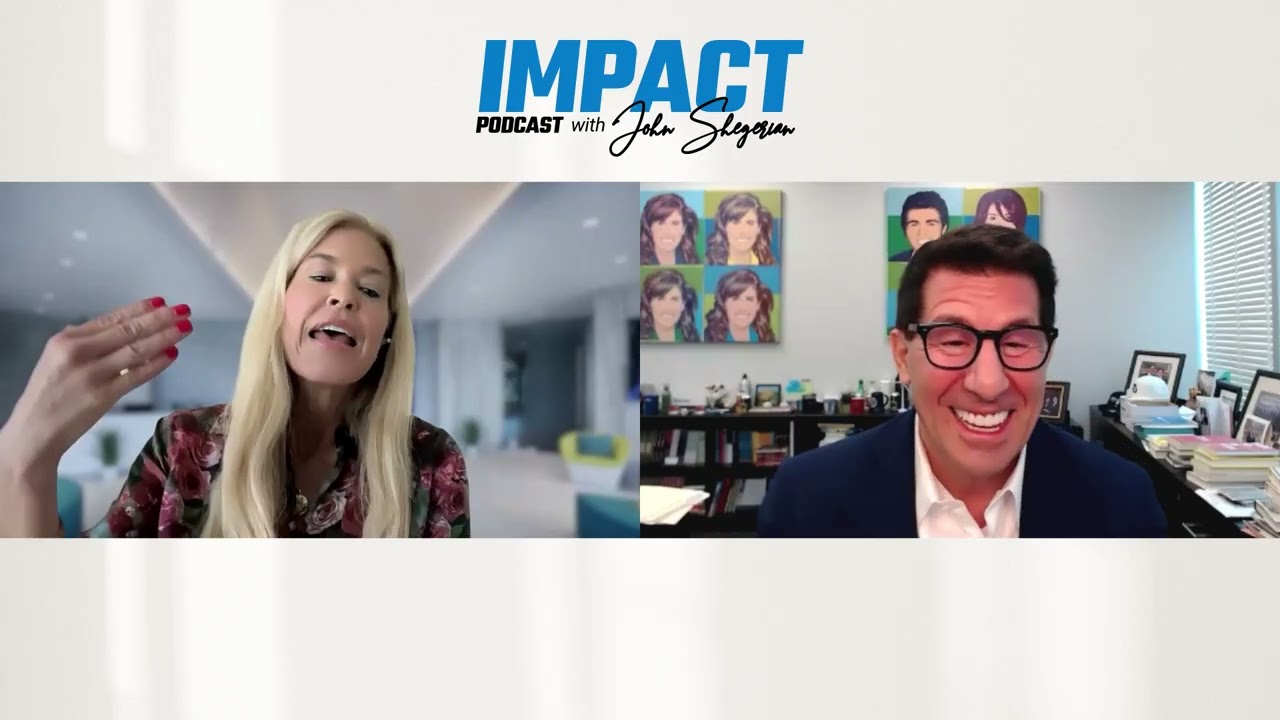
John: Welcome to another edition of the Impact Podcast. I’m John Shegerian, and this is a super special edition because we are so honored and blessed to have with us today Dr. Dawn Mussallem. She’s the Chief Medical Officer at Fountain Life. Welcome, Dr. Mussallem, to the show.
Dr. Dawn M. Mussallem: Thank you, John. You must call me Dawn. You can call me Dr. Dawn, but just call me Dawn.
John: Dawn, that’s wonderful, and I’m such a big fan, and I’m one of your biggest fans on the planet right now. I’ve listened to you speak so many times, and to have you share with our audience today what you do, why you do it, and your fascinating journey is so important. Where did you grow up, by the way? Where were you born?
Dr. Dawn: I was born in Columbus, Ohio.
John: Wow, okay. I love Columbus, Ohio, the home of the Little Brown Jug, which is right close by, I believe, to Columbus. Isn’t that in Delaware, Ohio, or something a little bit outside of it, and the home of Leslie Wexner, the head of Limited? I love Columbus.
Dr. Dawn: Yeah, that’s right.
John: And what was your childhood like? And what did your parents do?
Dr. Dawn: It’s so cute. Thanks for asking this question. I am not kidding. My mom says the minute I was born, I kind of jumped out of her belly, and I was like, “I’m here.” I think I fell in love with life the minute I took my first breath, truly. I was born into a family that truly adored me. And so I always share, as we talk through my journey, I’d had some adversity in my life, and I feel that I’ve gotten through that adversity because I came from this foundation of just true, unconditional love and harmony and joy, and a deep belief in something bigger than ourselves. We had faith in our family and just a really special family unit. And that’s critical. It’s critical now, especially today. I think people have lost connection to something bigger than themselves, outside of themselves. And sometimes we get in this fast-paced life of becoming, becoming, becoming; we don’t just pause to be, and to be with those that mean so much to us and our children. So I just am so grateful to my parents. But grew up in Columbus, Ohio, and my mom actually worked in the school. It was a small town outside of Columbus, Ohio, near Granville, Ohio, called Johnstown. My mom was a small-town secretary, and my father initially was in, I would say, the health spa industry, but he eventually evolved into law enforcement. So that health spa industry component is kind of interesting, and that’s really a lot of why I am so into the wellness spectrum that I am today, because of my dad.
John: [inaudible].
Dr. Dawn: That’s exactly right.
John: Who inspired you? What was your aha moment to become a doctor? Were you 13 or 21? When did that happen in your youth?
Dr. Dawn: I love that, John. If someone said, “Dawn, what do you want to be when you grow up?” when I was four, I said, “I want to be in a Smucker’s jar,” which I think you know what this means. That was the innocent four-year-old answer. And what I meant by that was the Willard Scott Today Show, on the Smucker’s jar, they would celebrate 100th birthday celebration. It’s like my whole life has come full circle back to my four-year-old dream today, which is cool. hic years, and I’m very happy I did that. So I get into the seventh grade, seven years old, seventh grade. It seemed like always, in the years of sevens is what it would multiply. But as I got older, I was able to explain, “No, I want to be the oldest woman in the world,” and I really set out to be healthy at a young age. My favorite childhood memory was not going to Disney World; it was going to the health food store. I loved nothing more than when my dad would pop me in the backseat of the car and take me to the health food store. I could remember it like yesterday, I remember what we would buy, that I would be so excited. On field trips, I would pack these super healthy lunches. No one ever wanted to sneak my food because it’d be like spirulina bars, sprouted bread, and nuts and seeds. So from a young age, I just loved anything healthy. I thought it was so cool. I remember my favorite book in the seventh grade, the title was “Life Extensions” like this. You can’t make this stuff up. I know my field trip and read “Life Extension.”
John: And this was remember when you were growing up, when you came up with your 96-year-old plan. You had a 96 year plan. Health and wellness wasn’t psych ice in our vernacular in our society, and this wasn’t a big thing. It was really still the Kool-Aid and Pop-Tart generation back then. Right?
Dr. Dawn: Yeah, this is the 1970s. This was when life, we started learning how easy, easy could be. We started learning about TV dinners and fast-paced lifestyles, but that wasn’t how my family was. I grew up in the country. We had a garden. My mom always home cooked our meals. We always ate a meal together as a family. So it was like this almost like traditional blue zones that you see, sort of lifestyle. You go get the produce from the garden where we didn’t use pesticides. We had honeybees to help accelerate the growth of some of the products and get our honey and all these fun things. So yeah, I had a really cool childhood.
John: Yeah. You started a 96-year plan at four years old. So, that was your springboard to think about health and wellness. So first, you went to naturopathic school or something like that.
Dr. Dawn: That’s exactly right. My undergraduate studies were in exercise physiology and nutrition. I did research at the Cooper Institute for Aerobic Research in Dallas, Texas. My initial research was in centenarians who were a hundred years old, still exercising, studying their VO2s. And that’s when I knew I wanted to go, you know, I knew I would eventually go to medical school, but I just didn’t think I wanted to go to traditional medical school off the bat. I was a little disenchanted back then. This was in the 1990s, to kind of where medicine was. It was very reactive. It was starting back then, actually. And so I went to naturopathic school, just like you said, I felt that naturopathic school would look more at a holistic scope of practice. I wanted to learn more about the wisdom of ancient healing systems, homeopathy, Ayurveda, traditional Chinese medicine, things like acupuncture, mind-body therapies. And it was amazing. For me, I knew I needed to do a little bit more beyond that. I wanted to learn that what would be conventional related as well. So I went on traditional medical school after those initial naturopathic years, and I’m very happy I did that. But, John, it was a few weeks, literally into medical school, the first time in my life, I started to feel good. It was crazy. My entire life, I had been healthy. I honestly don’t think I’d ever been an antibiotic if I can think back. So I saw a doctor, and I said, “I’m just not feeling quite right. I feel a little short of breath.” I was an athlete my whole life, ran track, competitive gymnast. I noticed my daily exercise regimen in Arizona, I would climb Camelback Mountain twice and then go run. I was really into fitness.
John: Camelback Mountain is no joke, by the way, for our listeners and viewers. That’s pretty fantastic. So you were very fit [inaudible].
Dr. Dawn: I was super fit. I was a former Miss Fitness Texas, actually. I was really fit.
John: Oh my gosh.
Dr. Dawn: I was really into my fitness because I put everything that I knew into health and wellness, and kind of would put it to the test. I always liked doing hard things and challenges. So I see this doctor, and he says, “It’s adult asthma,” but he never listened to my lungs. It was so interesting. So he gave me an inhaler, started using it, didn’t get better. Saw another doctor, and the next doctor said, “Use it more.” Didn’t get better, only now my heart was racing. So I saw a third doctor. The third doctor actually said it was in my head. It’s what happens to all medical students. So I felt kind of guilty then. Then you’re thinking, “Oh, [inaudible].” It was pretty tough. I didn’t think I was a wimp, but then I collapsed on my way home from medical school, was taken to the emergency room. I was in cardiogenic shock. My heart wasn’t beating properly. The imaging showed there was a mass in my chest. They took me to urgent surgery. There was a 16-centimeter tumor wrapped around my heart that was compressing the great vessels that wasn’t letting the blood go to the important organs like the brain. That’s why I passed out. And then the next morning, the medical team came in the room. This was Thanksgiving weekend of 2000. So this was a long time ago. For those individuals listening that remember back then, cancer was not common like it was today. And people who got it, you got to die. You just didn’t really live. So, they came in the room, and they said, “You have three months to live without treatment, probably 20 months to live with treatment. You need to drop out of medical school and you won’t be able to have children.” I remember, “You need to drop out of medical school,” stopped me in my tracks. I was like, “What? That’s all I know. I worked so hard my whole life to get to this point.” That was my meaning and purpose. I just remember envisioning that I just needed to kind of steer my own ship, and I knew that I needed to find the medical team that I could honor and respect, but the same medical team that would honor and respect it was important to me. That is exactly what I did. So I ended up with this amazing medical team through the city of Hope, had an amazing oncologist, did my chemotherapy while I stayed in medical school, had a bone marrow transplant while I stayed in medical school in radiation. But John, there’s a really powerful story here because I learned a lot in medical school, but I was just blessed with the world’s best physicians the whole time from this point forward, truly. I remember my medical oncologist every day in the hospital, during a bone marrow transplant, you’re in the hospital for many weeks, he would bring me a different genre of music, a cassette, this is back when we had cassettes, into my hospital room to listen to each day. He’d sit at the head of my bed, and he’d tell me a little bit about this particular artist. It was really a special connection, beautiful. My professors would bring my tests up to the hospital so I could take my tests. And what was so cool is my oncologist knew I loved exercise. So he had a bicycle in my hospital room, and he put one out by the nurse’s station. During a bone marrow transplant, you weren’t supposed to really leave your room because of the risk of infection, but he said, “It’s not a big deal. You can sneak out early in the morning. I know you’ll get up at 4″00 a.m. anyways,” which is exactly what I did. I kept my life exactly how I needed it. I would wake up at four in the morning, tiptoe out of my hospital room. As I would tiptoe out of that hospital room, you’d kind of look in the other hospital windows. You could see the other patients in bed. I can remember it to this day, John, they were essentially dying in an effort to stay alive. I describe this to everyone that interviews me. I just remember attaining my vitality without pause. I did not feel sick. When I look back at these pictures, I looked sick, but I remember my existence was so profoundly elevated. I just loved people. I love the essence of life. Every sense was so elevated. When you walk, I could feel the air when I would see any color, it was magnitudes of vibrancy above probably what that actual color was. There is no greater gift than adversity, and when we get adversity, if you fight it, you’re going to be stuck in it longer. I just was given this immense God-given gift of just looking for lessons, meanings, and purpose in the gifts in every moment. And I would never treat any of that, so I would tiptoe to my bike at the nurse’s station to ride that bike for 60 minutes. Each morning during my bone marrow transplant, my hemoglobins would be in the sixes, it was crazy. When I pedal, it was hard. But man, now we have the science to know how powerful exercises especially during and after chemotherapy. So, I think all of the wellness information I gathered from the age of four and moving forward is why I’m alive today. Some people would say, “Well, man, you’re not the poster child for living healthy,” and I would say, “No, quite the contrary.” Had I not done those things, it’s very likely I wouldn’t be here today to share my energy with all of you.
John: I want to go back to a moment, though, the doctors tells you, you got three months with no treatment, approximately 20 months with treatment. Now, as you said, you had a blessed childhood in Columbus, Ohio. Parents were great intact. Dad was an inspiration when it came to health and wellness, and you lived. You not only thought the thought and talk the talk, but you walk the walk. But one thing, by the time you get to be my age, and you look back, you realize all the people you’ve met along the way, it’s really interesting when you meet people, as we both know, at some point in life, you never know when that’s part of the whole journey. You just don’t know the fit’s going to hit the shan. So you’re 25 or 26. And now the fit hit the shan you were, how did you have the resilience though? The wherewithal life just knocked you back, and maybe knocked you out to say, “That wasn’t the knockout punch. I could overcome this.” Now, remember 2000, as you said, 26 years ago, Google was only invented two years prior to that. There was no iPhones yet. There was no AI. So the robustness of information online to find yourself help, it wasn’t what it is today, obviously, which is generations later, only 26 years later, but still massively different. Where did you find the inner spirit to say, “This adversity is not going to kick my ass. I’m going to kick its ass.”
Dr. Dawn: Yeah, such a good question. I actually like what you said in the very beginning, because you said, “You overcame.” I never remembered fighting anything. I remembered actually having this unanimous acceptance, like, “It’s okay, this was meant for me.” Obviously, these aren’t original words, because we’ve all heard this, but it never was this victimization. In working in the field of integrative oncology for over a decade, that was one thing I really enjoyed working with patients is to find the grace, to find the acceptance, and to look for those lessons. Don’t look for them turbulently, just be aware of the glory within the turbulence, because it’s magnificent. The other thing, what was really powerful is when I was diagnosed with cancer, it was just me, I didn’t have a child, I wasn’t married. And so what are we scared of, really? We’re scared of dying, maybe. And if we’re scared of dying, I would ask myself this question, “Why am I scared of dying?” Because I’m Christian, I just believe we do our best on earth, maybe for something even more glorious after this life. Could it be our ego that’s tethering us to this existence, this physical existence? I don’t know. But I trusted God, I trusted that this was my path and plan. I’m going to just be all that I can be in this moment. If we look in the rearview mirror, we can’t really make much change. If we’re looking too far ahead, it’s just going to maybe stresses out. So I really did just stay to the present; I kept my life simple. I didn’t get my mind too worried about other things. I did what I had control over. I was kind of excited about putting everything into the test that I knew could really help me to attain my vitality. My biggest goal was to feel good, and to really shed some light on what cancer look like, not look like what we expected back in the year 2000, how sick most cancer patients look, and instead show people like, “No, we could do this and still have a normal life. You could stay in medical school.” We don’t need to tell people they need to quit their jobs and quit everything that’s meaningful to them. Keep your life is close to what’s normal for you, as long as you can still take care of yourself. That’s what I would tell my patients. “No, you could still work if you love it as long as you can eat healthy, as long as you make time for exercise, you’re getting restorative sleep, and you have time to love all of those people that means so much to you. If your job or whatever it is that you’re still wanting to continue down that path during your treatment regimen is eliminating or making it more challenging for you to live a healthy lifestyle that’s going to support your vitality during this health challenge, well, then maybe we need to reconsider.” But for me, it was just really working at that balance and attaining that and just kind of really tuning into it. So, I was in medical school. So it was, “Wow, what a learning lesson.” There was a lot of curiosity around it. So, who better to get this than me? That’s what I would say.
John: Wow. When we have the benefit of retrospectively dissecting certain parts of our life, when you look back to that moment, do you truly believe that since you were four until the time you were diagnosed, all the good things you did for your body, and soul, exercise, eating well, Christian faith, that were all deposits in your bank? And that really those deposits, let you make the withdrawals to get yourself to heal yourself during that journey.
Dr. Dawn: That’s beautiful. I love what you just said. Yeah, it’s that reserve. Your body has reserves, so it could kind of borrow, but I still had this ability to keep pushing through because my body was so well maintained up to this point. It’s kind of why we do regular checks on our car. You want to keep it kind of optimized, it’s easy just to do the oil change when it needs it. So exactly that could not have been more perfectly stated. And this is just a shout to parents, we spend so much effort saying, “Oh, I need to save up for my child’s college education fund,” blah, blah, blah. Well, invest into their health. It is much more important than their college education. Make your children is the healthiest version they can be for themselves and have the whole family be healthy. So important. We want to do this through the lens of love and harmony, not because you have to, because you’re scared of dying or scared of getting a disease, but you’re doing it because you know it’s your path to human flourishing and really having this higher level of existence and joy. That’s really what this should all be rooted in.
John: When you get through, how long did it take you to get through where you could say, “I’m going to get through this. I got this. I’m going to go on to be a doctor. I’m going to graduate from this school, the three and 20 months, throw that out the window, and I’m going to have a long life. I’m going to hit my 100-year goal.” How long into the diagnosis and the healing journey did that thought cross your mind?
Dr. Dawn: The minute they told me.
John: Love it. I love your attitude. My gosh, we need to bottle it and sell it. We can do very well. I just know that.
Dr. Dawn: Well, but this is true. I get frustrated with my colleagues when they share these statistics, because everyone is an N of one. Everyone is their own unique individual. We don’t know what those statistics are; those statistics are everyone thrown into a pot, and you always have people at the opposite end. So I just didn’t worry about it. I’ve had people ask me, “Do you think you would have done as well if they said you had stage one cancer?” Maybe not. Maybe the stage four cancer was like, “I got this.” I love to do hard things. It’s like that challenge. It’s like that fire in the belly desire to just be like, “I got this.” By the way, I just remember there was never a fight. It was just, “It’s okay.” I am just so simple. I love that peace and settling in, and I just kept smiling authentically.
John: When did you meet your husband during this journey?
Dr. Dawn: Prior to my diagnosis of cancer, actually. He was a little bit older than me, and I remember thinking, “Oh, I’m just not sure.” Went on a few dates with him, got the cancer diagnosis, and I was like, “Oh, I really think I need to date other people.” And in fact, he was the one that asked the doctor, “How long does she have?” That’s how we got the three months when I was like, “You’re not supposed to ask that question.” I literally like, “No.” He was just kind of not even a boyfriend, just like a few dates in, but it was so cute, for young girls out there that are maybe having health problems. I remember it was so cute. I had some of the most amazing men become my friend during this time. They just made my chemotherapy so special. I had one dear friend, Michael Fitzcuffer, who would take me to my chemos. He would make the nurses laugh. We would go do something fun afterward. He still keeps in touch with me to check in. We’re still dear friends. I had some dear friends that would take me to treatments. Charles, my husband, I knew after I got through the cancer treatment, it got harder to really connect with men my age because I didn’t want to just go out and party. I wanted to discuss the meaning of life, really talk about deep wisdom. My husband, Charles, was really all about that. He was a beautiful soul. It was really amazing because when those doctors had told me I had stage four cancer, they said, “You need to drop out of medical school. You’ll never be able to have children.” And it was a few years after my cancer diagnosis that Charles and I found out we were growing our family. I was pregnant, which no women had ever done that. I wasn’t even having menstrual cycles, and I got pregnant. So they learned from that, too, like, “Oh, so wait a minute, most people never survive these sorts of advanced cancers.” We learned a lot. My case is written up in multiple journals. It was cute. The doctors were like, “Oh, we wrote this up, wrote this up.” So I delivered a healthy baby girl, Sophia, in the year 2003. Total miracle. But a few weeks after my daughter was born, I started to feel good again. It was the same exact symptoms as cancer. But guess what? Now things are different.
John: What was it now?
Dr. Dawn: Well, now I’m a mom. Now I’m a wife. Now there’s life beyond me. Now I can’t just think, “Oh, I’m invincible.” It’s like, “Okay, so if I’m gone, who’s going to take care of my daughter?” So now I was terrified. Now I’m scared. Now I don’t tell anyone I’m sick. Now I just keep it to myself and keep it to myself and keep it to myself, kind of like in denial and denial. Then what you would expect the normal trajectory is when you get these kind of feelings. Finally, I had to go to the emergency room. I was in cardiogenic shock again, only this time there was no tumor. My heart was only beating at 8%. The treatments I had had, in all fairness, this is not the fault of conventional medicine. Without those treatments, I wouldn’t be alive today. We needed that kind of chemo. I feel very confident I needed that chemo. The radiation, my tumor was wrapped around my heart. So the radiation had to go near those fields. And so, I had heart failure, advanced heart failure with a very low ejection fraction. This is when I became a patient at Mayo Clinic. Literally, “they just filled my heart with love and hope that I was going to be okay”. They said, “We got you. We’re going to start with medicines. They’re going to help you feel better. When the medicines don’t work, you’re going to need some procedures along the path. Eventually, you may need a heart transplant, but let’s not even worry about that. We have so many things before even that, that we’re going to get you better.” And they did. I went back. I finished my residency at Mayo Clinic in 2007. I remember the natural trajectory of heart failure. For anyone listening that’s had heart failure or has heart failure, it’s like you get better, but then you kind of start to overdo it. You use up your reserve, just like you talked about, you get better. Then you use up the reserve, and you tank, this kind of thing. It’s very hard for a 29, 32, a young woman. I was still kind of a kid, and I have this old person’s heart functioning at least. So I took this time off in 2007, which was really a gift because I had time with my daughter, who was only four years old at the time, and my husband. We had a beautiful family unit, and we would go out together as a family with the extended family every weekend. It was just what we did. I remember one night we came home from dinner, and he wasn’t feeling good. He said, “Just sleep with the baby tonight, honey. I’m going to go to bed.” The next morning, he wasn’t up. I went to check on him, and he had actually passed away in his sleep of sudden cardiac death. John, our own adversity when it comes to our own health challenges, for me, was easy. I had control over it. I knew how to kind of navigate. I could readjust if I was worried or struggled. It was on my terms. There is nothing harder in life than loss. It’s totally defeating. It took me a long time to get through loss. I still cry. I still have tears. Oh my gosh, this is like 18 years later. This is a long time ago. I’ve come up with this understanding that loss, grief, suffering, it’s just the persistence of love. And what a gift that I had this beautiful love, that I had this beautiful child that he gave me. I will just always be so grateful for that. This is just a shout-out to really just lean in, love those so special to you, because we only have one chance at it, and thank goodness that we did do that. We really lived a full life of deep love, and we talked about that. So, but he wasn’t supposed to be the one that was to die. I was supposed to be the one that was to die. So this is probably why we had these conversations, right? But it was really challenging. It was challenging for so many reasons: being a single woman and having to figure out, “Oh my gosh, now I have to buy a house. Now I have to go back to work because I need to get insurance and I need to be able to afford raising a child and all these hard things.” That was not easy. That was a really, really, really hard time in my life…
John: [inaudible].
Dr. Dawn: …by myself. It was a really hard time in my life. But we got through, I went back, finished residency, fellowship, became a hospital physician at Mayo Clinic. I did really, really good for many, many years. In 2015, is when I actually developed, started, and founded the Integrative Breast Oncology Program at Mayo Clinic. It was a very successful program. Then in 2016, I was speaking to the hospital leaders in this very formal presentation about the success of the program, with the hopes to advance this program to the enterprise. This is me. This is the heart of what I had hoped to do one day, to give cancer patients the same hope and inspiration that they too could attain their vitality during their own cancer journeys like I did, and then flourish after whatever that path may look like unique to them. I lost consciousness during this presentation, and I had a four-minute near-death experience.
John: Oh my gosh. Talk about near-death experience, because that’s something that’s scientifically been very studied, the NDEs, or I think they’re called, talk a little bit about what yours looked like.
Dr. Dawn: I’m chilled. So, a few overlying themes. So number one, I was met in this place. I just remember I was navigating this place, and I just remember almost as if my body was floating. I would describe it that I felt like the hands of God were holding me. I felt, maybe almost I saw, that these hands were just really cradling me, and it was embodied love, just a sense of total embodied love. I just remembered that my body was like weightless. What I remember so strongly is there was total acceptance of the otherwise complete unknowing. How powerful, and I carry that with me into every aspect of life. It’s okay; we’re not always supposed to know, but maybe we should try to accept and just take one little thing at a time. Just the divinity of that embodied love, the total acceptance of the complete unknowing in this ultimate stillness. And so I’m a runner now, and I’ll be running, and if I notice, like, “Oh yeah, you’re a little tight,” I can literally just shut my eyes in the middle of that run and dip back into this moment of stillness. I could do it right now. It’s such a gift to have experienced the powerful magnificence of what life is beyond our conscious knowing.
John: By the way, I’m going to tell you what, first of all, just for our listeners and viewers: if you’ve just joined us, we are so honored to have with us today Dr. Dawn Mussallem, Chief Medical Officer at Fountain Life. To find Dr. Dawn and all of her colleagues and all the amazing work they’re doing at Fountain Life, please go to www.fountainlife.com. That will be in the show notes. You don’t have to stop what you’re doing to write it down. All this will be in the show notes. Wait a second. I want to ask you this, because just so you know, I had Colton Burpo on this show years ago, the little boy who they wrote that book about, then a movie, “Heaven is for Real”. It’s our most downloaded episode ever. I’m fascinated because our audience is fascinated by this topic. Share a little bit. That’s what was going through your heart and soul. What did the people who were trying to save you say? Were you flatlining, or were you totally gone at that point during those four minutes? What was it for the people who were the first responders trying to save you? What did they say the other side looked like?
Dr. Dawn: That’s such a beautiful question. They didn’t know what was going on. What was so interesting is I had an internal defibrillator in my chest, so my body was kind of going up and down. They didn’t know. No one in the room knew I had heart failure because no one really knew I was sick. I didn’t really announce it. Certain people, of course, at Mayo Clinic did, but those people in the room really didn’t. Some of them were wondering if I was having a seizure because my body was jerking. They weren’t really sure. They couldn’t necessarily feel a pulse, but they were going through all these things. This actually formalized a plan in the hospital because if someone codes outside of the hospital itself, we were in the boardroom: What do you do? They didn’t know. Do you call 911? How do you get a crash cart? What do you do? The defibrillator was doing everything it needed to do. It was doing to try. The reason we know what my rhythm was doing is because they downloaded it. My electrophysiologist from Mayo Clinic, Rochester, Dr. Sam Asirvatham, said I was essentially a total flat line. The defibrillator couldn’t shock me because there was no pump on the heart rhythm. Usually, if there’s some little bit of fibrillation that you could shock, but there was nothing. It was just a flat line. So he just feels like I just feel like I came back to life. That’s what I felt like. When I came back to life, I just remember this immense energy coming through me. I remember the shock. I’m a petite woman. I remember I almost popped up on my bottom with that last shock. It feels like a horse is kicking you, basically. I had all this adrenaline. I was so supercharged from four minutes, I think it was a little over four minutes, 22 seconds or something like that, of being out. I was like, “I can finish that presentation.” They were like, “Oh no, you’re not.” John, after this moment, they tried a few more procedures. The last procedure actually led to a stroke. I lost vision in my left eye, and they said no more. We all said no more. That’s when I was listed for heart transplantation in 2019. I waited 12 months with not one call. I started to decompensate. My body was no longer safe at home. We tried to prolong it as much as possible because my daughter was in high school. This is during COVID. Getting a transplant during COVID was very hard because they couldn’t let people really come and visit you. Even the doctor said, ” We’re going to try to do this at home, but we’re not too comfortable with you being at home at this point.” We got to the point that I had to be admitted for supportive care. They had to give me medication to actually beat my heart. I was not a candidate for what they call a left ventricular assist device. I was not a candidate for a balloon pump from the radiation and some of the other surgeries I had had. It just kind of wiped out a lot of options for me. The next step, because I was no longer really responding to the medications anymore that were going in the IV to beat the heart, they were going to transition me to something called ECMO, which is full life support. It was that night they found a matching heart for me. I’ll never forget it because these are my dearest friends of many years who were my doctors. We love each other. It’s so hard when you treat a friend. I remember Dr. Parag Patel sitting at the head of my bed. He was like, ” We found a heart.” John, you’d think you’d be like, “You did? Yes.” 18 years of heart failure. I remember just not having that reaction at all, just thinking, “Oh my gosh, someone else has to die to keep me alive. Their family is so sad and mourning, while mine is going to rejoice here shortly.” Then the next thing I remember was thinking, “Wait a minute.” These weren’t things I actually thought about until you hear you’re getting a heart. Is the heart just a physical organ that just beats their blood, or is there an emotional, spiritual core to this? Am I going to lose the memory of my beautiful childhood, the essence of what that felt like, or my daughter growing up, or my husband, our beautiful love? Am I going to lose any of that? Then the next thing, as I’m going through this thinking in my head, he goes, “Dawn, I have to share one more thing with you. Your donor is an IV drug user with hepatitis C. We need to use a high-risk heart donor at this point because we’re not finding any other matches. What do you think?” I just remember pausing. So, for the first time in my life, I remember thinking, “Why me? I’ve always been really positive.” I remember thinking, “Okay, God, this is getting old. [inaudible] Give me a break. This is so interesting.” Why was I being filled with this judgment, John? Why was I judging so hard? So interesting. A few weeks prior to my heart transplant, a colleague of mine, who was a psychiatrist, came up to me and visited me and was being sweet and said, “Do you even want this transplant?” Sometimes we say not really smart things. As doctors, our words are very strong. As people, our words are very strong. I remember he said, “Many transplant patients develop the personality of their donor. Does that scare you?” I’m thinking, “Well, you’re just filled with really good things for me to hear today. Thank you so much. I love our friendship.” That’s what went through my mind when he tells me IV drug user. I’m like, “Oh my gosh, is my personality going to change?” Blah, blah, blah. Then it was a few hours later, John, I knew that this heart was meant for me because I thought, “Wait a minute. How amazing. We don’t know why she was a dry IV drug user, and how beautiful that I get to show her this glorious life.” I went down for my transplant in a wheelchair. I get eye contact with one of my closest friends in the world, Dr. Bashar Sareyyupoglu, and I just knew everything was going to be okay. Before any other surgery I’d had, I would do the sign of the cross, be like, “Please let me wake up.” There was none of that. I knew I’d wake up. I knew within days I would be awake with my new heart. I remember praying for the donor family. There were some complications after my surgery. They had to actually take me back to the operating room. I was hemorrhaging. They had to reopen up my chest. They had to give me like 12 units of blood. They didn’t think I was going to make it, but guess what? I made it. You know what is so cool, John? This is so cool. On this day five years ago, is essentially when I woke up from my heart transplant, like through the day, maybe even close to the hour, actually. This is so cool. I’m going to tell you, this is amazing. When I woke up from my heart transplant, I remember hearing this glorious sound. I just remember like no one was in the room. I remember like looking around. I wasn’t sure if I was alive. Beautiful sound, like harmonious. I remember just like making this assessment, like, “What is it?” It was my hair that was brushing against the crisp white linen sheets. They were so tight. It was beating in sync with the powerful beat of my new heart. I didn’t know what it felt like to have your heart beat. My whole body was moving. I’m like, “Whoa, this is like crazy.” I was like, “My hands are warm.” My hands had never been warm, like for 18 years. I had total clarity of thought. My mind was lucid, like totally clear, because I was getting blood to my brain. I remember, I felt like every cell in my body was just oscillating at this high vibrational frequency. I felt like I could float. I was alive. It was so cool. So cool.
John: So, Dr. Dawn, she was an IV drug user. How old was your donor?
Dr. Dawn: He was 29.
John: So you just got the clock rocked back. No wonder you were alive. Of course, she had some of her lesser qualities, but we all have deficiencies; she was 29.
Dr. Dawn: 29 healthy heart. Guess what? So it felt like we’re not quite doing this yet. We’re not giving you a 34-year-old heart. I have a 34-year-old heart. So guess what? Man, now I’m going to live to be at least 125.
John: You got a hundred right in your own scope. Now my four-year-old plan is turning out. Didn’t go all the way I thought, but we’re going to make it to a hundred now. You reset your whole life. Wow. [inaudible].
Dr. Dawn: Yeah. It was really beautiful. You’re on a lot of medicines after your heart transplant. One day, I counted how many pills I was on. I was on 75 pills.
John: Wow.
Dr. Dawn: So many pills. I did not use narcotics after my heart transplant because I get very sick from them. I’m going to just say suffering. It was like immense pain. The narcotics would make me more sick. I think there is nothing worse than nausea. I think nausea is worse than pain. So I said, “I’ll opt for the pain,” but we’re so averse to pain. No one wants suffering or pain in life. And we grow so much from it because how my life now is, it’s this peak existence of just ease and harmony, and everything feels so perfect because I’ve experienced such significant suffering and pain and other chapters of my life. Now it’s just so easy. It’s so beautiful. I had a few dreams after my transplant. I had one dream. I don’t really talk about this dream much, but it’s important because it goes back to not judging. I had a dream where it was my body. I remember I was like crawling away from someone that was pulling me back and was very black. It was like this loud music, and it was what I believe was human trafficking. You do sometimes have like this kind of insight, maybe what happened with your donor, I do believe. I was never able to meet the donor family. They never responded that maybe she was a victim of human trafficking, and that’s how she got to be addicted to her drugs. I’m not sure if that’s true, but that was the dream that I had. That was very graphic.
John: Profound.
Dr. Dawn: It was profound, and it was the day after I woke up from heart transplant.
John: Dr. Dawn, you mentioned the word pain, and I’m also a Christian. So from one Christian to another, I read a beautiful line. I’m sorry, I can’t remember [inaudible] attribute[?] to, but it has to do with pain. And it’s gotten me through some tough moments, not like you, because you truly are the Rocky Balboa of health, wellness, and inspiration, honest to gosh. But the line is this, “Pain is God’s chisel.”
Dr. Dawn: That’s beautiful, John.
John: Just think about all your colleagues, your peers that you went to medical school with at 25 or 26 years old as a young person, very young person. You have the blessing of not only you’re double board certified and highly trained, classically trained in the medical world, but then you have the blessing of all these unbelievable comeback stories and experiences. It has to make you just such a better doctor than those who never were the patient before.
Dr. Dawn: It’s really amazing that when you go into medicine, you go into it for a reason of just service, of loving humanity. That was really why I went into medicine. I feel that my experiences as a patient have allowed me to connect through that lens of empathy and just really a true connection with individuals. I think they trust me more. It’s such a gift that patients allow us to be in that space with them during such vulnerable time. There’s nothing that I treasure more in my career than that one-on-one time with patients. It’s just been really meaningful. And really, I feel that my existence has been elevated because of each one of the patients that I have ever had the gift of walking along their path and their own journey that they’ve invited me to be a part of. I just adore my patients. It’s just really such a gift. I’ve just lived such a beautiful life. I’m so grateful for every aspect of it.
John: I want to get into the Fountain Life story. I want to get into health, wellness, and some actionable items you could share with our listeners and viewers to make it possible for them to live their best lives. But before we get there, Dr. Dawn, there’s still something left to that heart transplant story. I want to understand what the doctors told you would be your future post-transplant. What should you be doing and not be doing? And then what you did within one year of getting a transplant. I need you to share that. Then we’re going to get to some actual items for our listeners and viewers: how they can both overcome adversity like you, but also live their best lives as well.
Dr. Dawn: Oh, thanks, John. Being that I am double board certified, and one of those certifications is in lifestyle medicine, I thought, “Well, what could I do that would really help people understand the power of lifestyle? What has someone never done before after a heart transplant?” After heart transplant, you’re immunocompromised, you are still on a lot of medications, and you need to really live a life where you’re being wise and cautious not to get an infection. And so a lot of them opt not to be out there traveling or in large groups and maybe not overdo it or pushing themselves. Everyone needs to live the life that they feel is one that aligns with what their doctor says is right for them; what is right for them is an individual, and then find that path in the middle. So for me, I did. I talked to my medical team, I let them know that I wanted to run a marathon one year after my heart transplant. They said, “[inaudible], sure,” they were like, “Well, we don’t know.” I was like, “Well, listen, if I’m going to do this, I need to start running now.” This was like, I don’t know, three weeks after my transplant. And the cardiac rehab nurses are like, “No.” So I went straight to my surgeon. I’m like, “No, disrespect that I’m gonna [inaudible].” He’s like, “Yeah, you can run [inaudible].” Well, I have you like wired shut, like you can see my wires in my chest. “You’re wired shut. Nothing’s gonna open up, you weigh 100 pounds. I don’t know what they’re worried about.” So I started running, and they’re like, “Dr. Ash, you can’t tell her she can run. She’s gonna…” I don’t want to get him in trouble. So I did. So he’s like, “Just don’t do it at cardiac rehab. If you’re gonna run, just do it at home.” That’s what I did[?].
John: Oh, my gosh. [crosstalk] Telling the woman who’s to find the odds over and over again, “Don’t do something.” That’s a big mistake. That’s a challenge.
Dr. Dawn: [inaudible]. It was pretty cool. It was cool, though. The team, the doctors really came together like, “Listen, she wants to do this. Let’s just do it. So she’s safe, otherwise, she’s gonna do it at anyways.” So that’s exactly what they did. They got together, they made sure it was safe. Some doctors would go run with me. I ran my first 5k at three months. I did Camelback Mountain at four months, which is crazy.
John: [inaudible].
Dr. Dawn: Yeah. And then we have a cardiology sports specialist, Dr. Brian Shapiro. He’s just a beautiful human being. He said, “All right,” this is when I started to get into the longer distances and said, “I want to run a race with you.” So we ran a 10-mile race. And he ran me hard. This was maybe six months after transplant. He ran me hard. I was like, “Okay, we’re to the point this is no longer safe, doctor.” But he didn’t [inaudible] an eye on me, after the race to give me a high five. He said, “You got this, you’re going to be able to do it.” So then I did a half-marathon, like at 10, maybe eight months or so. And then I actually ran a full marathon training run at 11 months. And then an official marathon on my heart transplant anniversary. It was the breast cancer marathon. So I ran it in honor of my patients.
John: Where was it?
Dr. Dawn: It was amazing. It was in Jacksonville, Florida, just ironically, it’s the marathon that I had volunteered at all these years, until I could no longer even volunteer because I wasn’t strong enough to even hand out water. I remember I would be kind of jealous, I would watch people run be like, “Oh, it’s just not fair. They all get to run this.” So I got to run. I’ve run nine marathon runs since my transplant. I was supposed to run the marathon this past February, but I traveled for an event that I spoke to. So I’m good. I was just running last night. I thought I need to figure out another marathon to put on the books just because I like this challenges. I don’t know that they’re necessarily the healthiest thing for our bodies. Jeff Galloway trained me.
John: Oh, the very famous, Jeff Galloway. The very famous chef, Galloway. He’s very [inaudible].
Dr. Dawn: He did.
John: He’s very well known.
Dr. Dawn: Listen, I couldn’t have done it without him. He would be on the phone with me multiple times a week, asking me how my runs are doing, giving me all this motivation, spirit, and nutritional advice. He was with me every single step of the way to make sure I was safe, also. So this is a huge shout-out to Jeff Galloway. For anyone who wants to learn how to run and to do it safely, he does like a run-walk-run. And a lot of people feel that “Oh, it’s gonna be slower.” It actually is a great way to train that you can run the race if you want. You can do whatever you want. He really will keep you safe, especially if you have some health challenges. So he’s just a very inspirational man, multiple-time Olympian, and has a neat running program.
John: Who nicknamed you the magic bullet at the Mayo Clinic?
Dr. Dawn: It came first for my dearest colleague, Dr. Saranya Chumsri. Her and I have done some amazing work together. My specialty is integrative oncology. She is a vaccine researcher; she does a lot of immunotherapy. And so together, we would really work deeply with using food as medicine, the gut microbiome. That is the area of fountain life I’m super excited about. Obviously, it’s part of the testing that fountain life members do is to assess the gut microbiome. Part of my clinical training, clinical learning, and professional career at Mayo Clinic, it’s been 25 years. My last day at Mayo was last Saturday after 25 years. That was a very hard decision, but I made this leap from Mayo Clinic over to Fountain Life really with this vision that we have to democratize wellness. We’re not going to be able to do it in a traditional healthcare setting because they have to take insurance reimbursement. And insurance at this time doesn’t pay for that multimodal diagnostic testing that we can find things early. We know seven out of the 10 leading causes of death can be totally prevented, and that’s my mission. That is where I’m at now, because guess what? There’s multiple things that happened in my life that have found life was available to me and my husband who passed away, that neither of us would have experienced what we experienced. And so I am just filled with such deep-rooted passion and desire to unlock the key to some of these answers that humanity deserves when it comes to wellness, early diagnostic, early detection.
John: This edition of the Impact Podcast is brought to you by Engage. Engage is a digital booking platform revolutionizing the talent booking industry with thousands of athletes, celebrities, entrepreneurs, and business leaders. Engage is the go-to spot for booking talent for speeches, custom experiences, live streams, and much more. For more information on Engage or to book talent today, visit letsengage.com. This edition of the Impact Podcast is brought to you by ERI. ERI has a mission to protect people, the planet, and your privacy and is the largest fully integrated IT and electronics asset disposition provider and cybersecurity-focused hardware destruction company in the United States and maybe even the world. For more information on how ERI can help your business properly dispose of outdated electronic hardware devices, please visit eridirect.com.
 Spotify
 Apple Podcasts
 Amazon Music
 iHeartRadio
 YouTube
 YouTube Music
 Audible
 Pandora