https://sustainability.aboutamazon.com/stories/spotlight-on-water
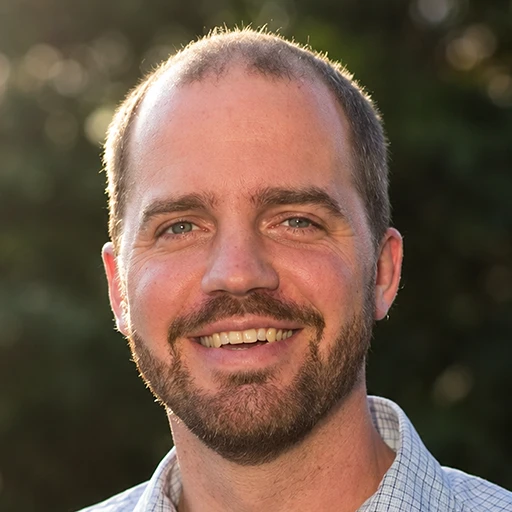
Will Hewes leads water replenishment efforts across Amazon, sourcing and investing in community water projects that build long-term resilience through efforts to restore watersheds, expand access to clean water, and eliminate water waste. He developed and led AWS’s water positive program, which commits Amazon to returning more water to communities than the company uses in direct data center operations by 2030.
John Shegerian: Get the latest Impact Podcast right into your inbox each week. Subscribe by entering your email address at impactpodcast.com to make sure you never miss an interview. This edition of the Impact Podcast is brought to you by ERI. ERI has a mission to protect people, the planet, and your privacy, and is the largest fully integrated IT and electronics asset disposition provider and cybersecurity-focused hardware destruction company in the United States and maybe even the world. For more information on how ERI can help your business properly dispose of outdated electronic hardware devices, please visit eridirect.com. This episode of the Impact Podcast is brought to you by Closed Loop Partners. Closed Loop Partners is a leading circular economy investor in the United States with an extensive network of Fortune 500 corporate investors, family offices, institutional investors, industry experts, and impact partners. Closed Loop’s platform spans the arc of capital from venture capital to private equity, bridging gaps, and fostering synergies to scale the circular economy. To find Closed Loop Partners, please go to www.closedlooppartners.com.
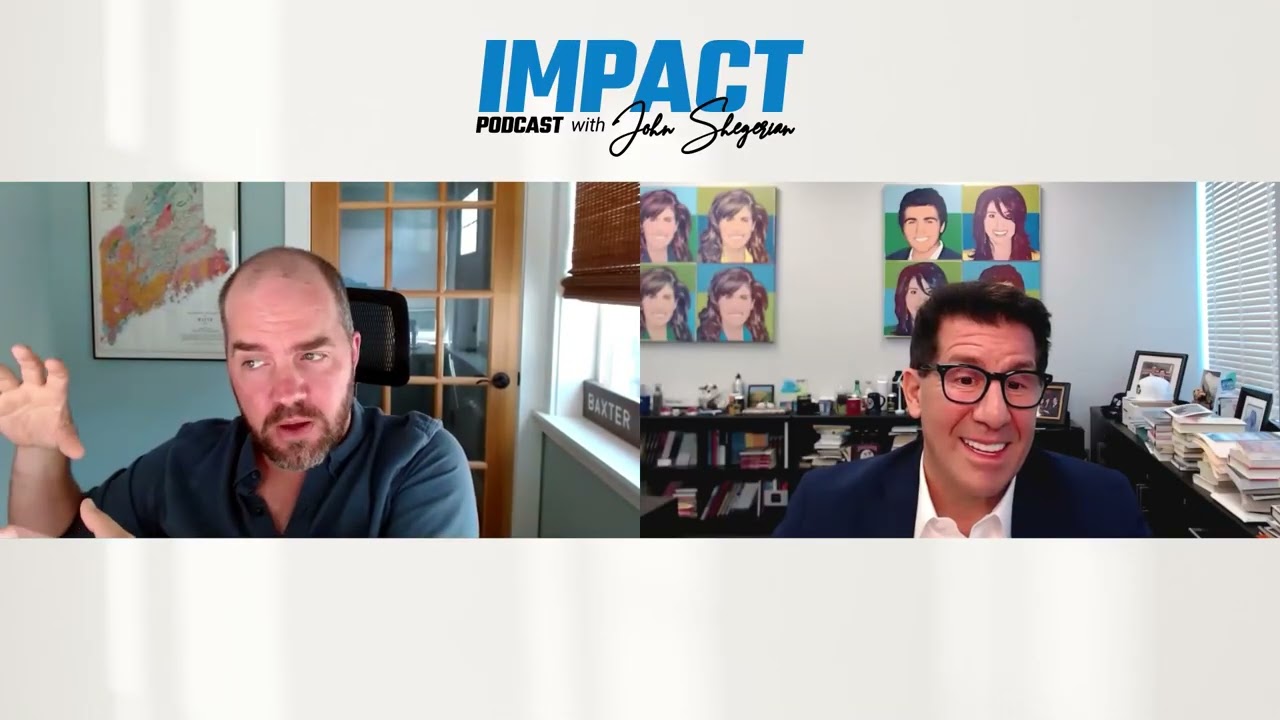
John: Welcome to another edition of the Impact Podcast. I’m John Shegerian, and I’m so honored to have with us today Will Hewes. He’s the Water Stewardship Lead for Amazon. Welcome, Will, to the Impact Podcast.
Will Hewes: Hey, John. Thanks for having me.
John: Hey, Will. We talked a little bit offline before we started recording. I’m so glad you’ve come on the show. We haven’t covered this unbelievably important and critical topic of water in a long, long time. You being here is timely and important, but before we get talking about all issues, water at Amazon and even beyond, I want you to share a little bit about Will Hewes. Where did you grow up, and how did you get on this very important, impactful journey that you’re on?
Will: Yeah, so I grew up in a tiny town on the coast of Maine called Blue Hill. Went to school in a two-room schoolhouse in a house heated with wood. I had a great love for the environment growing up, running around the woods, and when I went off to college, really my love affair with water goes back to that, where I discovered water as an issue. It wasn’t something a lot of people were thinking about in detail or working on, but it really grabbed me as the central issue that’s connected to so much of public health and urban design and the wild places that I grew up loving. I ended up just starting my career in water over 20 years ago, and it’s all I’ve ever worked on. I’ve worked in a number of different areas across the water sector. Started in D.C., working for a nonprofit called American Rivers, working on federal water policy, Clean Water Act reform. Ended up then moving to work on water infrastructure finance out of California, but really working with water utilities across the country. Then came to Amazon and started building our water stewardship strategy here. I also currently, in addition to my day job with Amazon, am on the board of trustees for my local water district here in Portland, and so help them think about the budgets and the capital improvements and the rate setting, which is great to be able to understand how the water utilities that deliver water to us and everybody, most people around the country, all the challenges that they’re dealing with around infrastructure and other challenges today.
John: Well, listen, I’m just meeting you for the first time, but first of all, my hat’s off to you and huge props, because for some people it would be enough just to be like Mr. Global Water Stewardship at Amazon, but the fact that you also take your huge experience, 20 plus years in water, and then also work with it locally, it must give you such a great perspective on how water even works even better, because not only are you working on global issues with Amazon, which gives you a tremendous platform, but on the local level, as I know sitting here in Fresno, California, in the middle of the Central Valley, my gosh, it’s literally the corner of Maine and Maine for water controversy and water problems for historical reasons, legacy reasons, and dating back to the great Chinatown stories that are good for you, really great for you. What a great, great mission that you’re on, and the fact that you’re able to work locally and globally. Well, you grew up, and all my friends that either vacation or live in Maine always tell me it’s literally God’s country. Unfortunately, because of how media is in this country, and this is no knock on media, I love media, the coasts get all the attention, or LA, New York, and then also the high profile cities, Chicago, Miami, et cetera, but we have so much beautiful country that we get to enjoy and celebrate together. You’re in one. All my friends and relatives that spend time in Maine say, literally one of the most gorgeous, beautiful states in this wonderful nation. At what point did, obviously you had the greenery, you had the beautiful air there, and then you had water. When did water, was it when you were 10, 15, 18, was it because of a certain river or a lake or something, or the ocean? When did water click in like, this is going to be me, and this is going to be my life and my topic of choice? When did that happen in your young life?
Will: You know, I think a lot of it probably built up subconsciously running around the rivers and the ocean, but it really was that intellectual awakening in college when I started to understand how connected water is to everything, that for me, it really sank in and I decided that this is an issue that I wanted to work on. It hasn’t always been an easy path because, like I said in the beginning, a lot more focus has been on energy and carbon and other areas of sustainability. I think water has very much come into its own in the past 10 years, but 20 years ago it was a bit of a backwater, no pun intended. So there’s way too many water puns in the world, a hazard of the job. But yeah, you know, it just kind of all came together. But I think having all of those experiences and loving so many places that are connected to water growing up was probably a good foundation to build on.
John: That’s so wonderful. So explain to our listeners and viewers and our audience, Will, what exactly does Water Stewardship Lead at Amazon mean? What does your title mean, and what does that mean on a day-to-day, week-to-week, month-to-month, quarter-to-quarter basis at one of the greatest iconic brands in the world now?
Will: Yeah, so we’re working on water stewardship across the whole company. A lot of people think just about the data center piece, and that is where our water stewardship journey began. But we also are looking across our fulfillment centers and warehouses and the communities where all those are located to think about how we manage water in our operations and in those communities as sustainably as possible. We’ve got some goals, public-facing goals, around water stewardship. And again, that started within our data center operations, where we said, we want to make sure that we are putting more water back than we’re taking out of these communities. We want to have a net positive impact on those water resources. And we can get into the details of how we get to that goal and how we achieve that. But really, if you boil it down, it’s fundamentally looking at, there’s a piece of it that’s looking within our own facilities. How do we be as efficient with our water? Every drop of water that we take out of a water system or the environment, how do we maximize the beneficial use of that? And then how do we help support projects in those communities to restore and replenish water resources? So it’s a mix. My role really started with building the program around the water positive program in AWS. And then the expansion of that, we also set a water positive goal in India for all of our operations beyond just the data centers. And then we’ve also expanded the work outside of those areas into some other key water stress basins around the world where Amazon operates. And so day-to-day, I am now mostly focusing on the replenishment piece, which are those projects we’re supporting in the communities, but have also spent a lot of time over the past several years thinking about water efficiency across all of our operations and how we maximize that.
John: I should have asked you this earlier. Will, when did you join Amazon exactly?
Will: In 2019.
John: So it’s about seven years ago. So you joined to build out this whole water stewardship program. How many people roll up to you now on water? Like, how big is this water initiative at Amazon? Just for size and scope, so our listeners can get some inspiration here.
Will: Yeah. You know, what’s great about the program is that there are people like me who just think about the water sustainability piece of it, but it’s also so embedded in how we do business every day that there are a bunch of people that use a portion of their time. So people that are solely dedicated to, there are a few functions that go into the people just thinking about water sustainability. There’s kind of the program management. How are we tracking everything and making sure that we’re on track to meet those water positive goals? Then there’s the replenishment piece, which is my team. And there are five of us total working full-time on replenishment. And then there are some people working on the data and making sure that anything we’re saying about our water positive goals is accurate. For example, last year we announced that we’re 75% toward meeting our water positive goal for our data center operations for AWS. There’s a whole bunch of data behind that. There are people working on that, making sure that it’s credible, that we’re getting third parties to review it. There’s a handful of people there. So fewer than 10 people are working full-time on water sustainability, but there’s a whole team of people within AWS that are operating these data centers. And what’s really fascinating is we are tracking all of that water use in real time. And we’re actually looking at it weekly and saying, all right, are we efficient? Are there leaks that we should be reducing? And so there are people that I’ve never met, as one of the lead water sustainability people, who care passionately about water sustainability every day. And they’re there on the front lines. The other piece of it is there’s a whole team of people thinking about where we’re expanding and building new infrastructure. And another key piece of the water positive goal is where can we switch, or even not even switch, but just start by using recycled water, which is treated sewage, right? Leave all of that potable water for other use in the community. We’ll come in and, wherever this is feasible, we’re coming in and helping build that infrastructure and just upgrading the treatment to say, we’ll take your sewage and use that for cooling. So there’s a whole team of people going into these communities who have that as one of their number one priorities, which is to say, how do we work with the utility in this community to use more sustainable sources of water? And then also, outside of AWS, we have people on more of the fulfillment center side, where when you order stuff online, that whole side of the business, that are thinking about, okay, how do we monitor that water use? How do we eliminate leaks? How do we think about rainwater harvesting on those buildings? And that is just so embedded in the culture of how we’re building and operating the business that there’s a much larger group of people that have water sustainability as a piece of their mission every day.
John: Very cool. I mean, this is a testimony to you then, as a leader. You’ve evangelized water so well inside of Amazon that you actually have, like you said, a small dedicated crew underneath you, teammates and colleagues, but you now have sort of a distributed workforce in so many different divisions, the builders, the operators, the vendors that are all rolling up information up to you. That’s very valuable to the core mission that you’re on to basically conserve and to replenish the water supply that you guys use. What a fascinating model. It sounds like a very efficient model to me actually.
Will: Yeah. And it is very much not all my doing or even the majority. You know, it was really a lot of good fortune and where the program, the water positive program, started, which was not in a separate sustainability unit, but really embedded in the group that is responsible for building and operating that infrastructure. So it wasn’t someone coming in and saying, hey, you got to do this. There was already a whole bunch of people who had been in the company for a long time, who said there were already pieces of this before 2019 that we were doing. We were already really good on water efficiency. We were already starting to use recycled water. And so it was more about bringing those pieces together, adding the replenishment piece, and then being able to create the structure on how we report and deliver on that goal. But it really started in a great place to be able to embed it throughout the company.
John: Fascinating. Talk a little bit about, you’re continuing to grow, obviously, at AWS, and you’re growing cloud and your AI infrastructure as the Anthropic, SpaceX, and NVIDIA economies continue to thrive and grow, and you continue to support that new economy. How does water stewardship and the role of water stewardship play as you continue to grow cloud and your AI infrastructure?
Will: Yeah, you know, the water positive goal is kind of the North Star here, where we want to have the overall net positive impact on water resources across our entire data center operations. But before we dive a bit more into that, I think it’s worth asking, well, why are we using water at all in data center operations?
John: Define, yes, why are you using water at all? And then define, what does water positivity mean at Amazon? Just so I understand, the main thing that you’re, the mission.
Will: Yeah, absolutely. So the why we use water question is an important one. And that’s because, you know, we’re trying to manage multiple things at one time. And the other key one is energy, right? And so in 2019, we were announcing goals around net zero carbon, the Climate Pledge, that, you know, we want to be net zero carbon by 2040. That means you’re investing in a lot of renewable energy projects, you’re thinking about how you minimize energy use. Now, if you’re not careful, you could use a lot more water to save energy, right? And so that was part of the internal discussion: hey, we really need a water goal alongside our energy goals to make sure that we’re managing both of these together, and minimizing overall impacts rather than just focusing on one and potentially having unintended consequences on the other. And so that’s where, you know, we built the program. What water allows us to do, we do not use it in the vast majority of our data centers year-round. We are only using it on the hottest days. Most of the year, 90% of the year on average, we’re basically doing the equivalent of opening up the window and letting the cool air come in from outside, no water is being used. Just that outside air is cooling that data center. Then on the hottest days, you turn on what we mostly use as an evaporative cooling system, a direct evaporative cooling system, less than 10% of the year. It’s a super water and energy efficient system, and allows you to reduce peak energy use by 25 to 35%. And that’s not only important for helping meet our climate goals. It’s also really crucial to maintaining a healthy grid, right? If you’re on the peak days, adding 35%, that puts a bigger strain on the grid. And so the strategic water use on, you know, those warmest days to minimize energy usage, I think that’s what we see as really the most responsible way to operate a data center. And it shows because we are at the leading edge or very near it on both energy and water efficiency together. So that’s why we’re using water at all. Now, once you decide, okay, we’re going to use some amount of water strategically to be more sustainable, then the question is, how are you doing that? And the number one thing is that each new region, each new data center, there’s a local plan for that, right? And in certain places, in Cape Town, South Africa, in Mexico, in the Middle East, you’re building a data center, you want to save that energy, but you look at the water resources, and you say, look, even if we are incredibly water efficient, which we are, it’s just not the right thing for that community to use water for cooling. And so in those places, we are not using any water for cooling, you end up using a little bit more energy, but it’s got to be locally tailored. Now, where we use water is where we really get into this water positive goal. And that says, the long and short of it is you put more water back than you’re taking out. So how do you get there? It’s the three key pillars: reduce, reuse, and replenish. The reduce piece is all about, let’s minimize the amount of water that we’re using in the first place. We have a water efficiency metric, which is measured in liters per kilowatt-hour, that’s about seven times more efficient than the industry average. So we are withdrawing really a very small amount of water. My favorite stat on all this is, in 2025 compared to 2024, data centers were growing a lot, right? We were operating more data centers. We actually used less water in absolute terms in 2025 than we did in 2024. It went down by 2% despite a significantly larger footprint. So we increased that water efficiency by 50% over the past several years by tracking that water use in real time, making operational changes, thinking about all the ways that we can minimize our withdrawals. So that’s number one, reduce. Reuse is that piece about what’s the source of water that we’re using, wherever we can, bringing in recycled water, leaving the potable water for the community. And we’re in many places going in and actually building the water recycling system, upgrading treatment, building the purple pipe, which delivers recycled water because you don’t want to mix it with the drinking water. And we’re spending over a billion dollars to build public water infrastructure that can serve us, but also be an asset to the larger community. And then the third piece, replenish, that’s really, okay, once we’ve maximized those opportunities in reduce and reuse, that’s within our own four walls, let’s first look at those opportunities. Then we look for opportunities outside our own walls in the watershed to say, how can we support water resources? How can we help a water utility reduce leaks? How can we help farmers improve irrigation efficiency? How can we build wetlands to improve water quality? Things that we know will strengthen water resources, and we quantify the water delivered through those projects. And that’s what gets us to the water positive piece of it. So basically, start with how much do you withdraw? Let’s do as little of that as possible. Subtract out the recycled water, and then you subtract out the water given back for replenishment. And at the end of the day, you want that to be a positive number, that there’s more going back than we’re taking out. And we’re about 75% toward that goal at the end of 2020.
John: For our listeners and viewers and our general audience, if you have just joined us, we’ve got Will Hewes with us. He’s the Water Stewardship Lead at Amazon. To find Will and his colleagues and all the great work they’re doing in water stewardship, please go to www.amazon.com. It will be in the show notes. And obviously, hopefully all of you know how to find Amazon, but if you don’t, the link will be in the show notes as well. Will, it’s not a day, and again, I’m very apolitical on this show. I just want to deliver the facts to our audience. I really want the audience to really get the facts right. What you just analyzed and shared is so fascinating. The mainstream media typically doesn’t cover it. But when you see data centers, let’s just talk about the United States now. And we’re not going to pick a particular community for this discussion. We’re going to just call it Mayberry RFD. And a new data center is going in. And I don’t know who to believe anymore. One portion of the media says that these data centers are great. And of course, I think they are, because they’re powering the new economy that we’re living in, whether we like it or not. SpaceX is upon us. Anthropic is upon us. OpenAI is upon us. NVIDIA is upon us. And we need these data centers and cloud areas and the AI infrastructure to power this new economy, make our new economy more resilient. But then you hear the pros and the cons, the pushback on, oh my gosh, our energy rates are going up some proportion. I hear some ridiculous numbers. And then I hear other scientists and other people give the counter story that, no, they’re really not using that much water, nor do my, I live in that community, and the energy rates aren’t going up. Can you give sort of a balanced, factual presentation? Because you just gave what you’re doing at Amazon. I know you can’t talk about everybody, but you’re not managing everybody’s company. You’re managing Amazon’s water, and you’re very interrelated with their energy. But what you just shared about what Amazon’s doing, to me, sounds unbelievably balanced, unbelievably fair, unbelievably good for the communities that you’re going in and serving. Is that mostly a reality base compared to how others are doing it? Or is there some truth to, oh my gosh, some communities are seeing their energy rates spike and others are not? I don’t know what to make, what’s fact or fiction anymore? I’m really, I’m confused myself.
Will: Yeah, there’s obviously a robust discussion on this topic right now. And, you know, I can mostly speak to the water side of it, because that’s really where my expertise is. I think there is some information out there that just is certainly not reflective of how we use water, right? There’s this kind of zombie statistic that you seem to see, which we’ve tried to even trace the source of and we can’t seem to find, which is five million gallons a day per data center, right? And our average is less than that in a year, right? And so it’s really the equivalent of about a couple of restaurants, which, you know, is in context not a large amount of water, but it’s really, a lot of people haven’t thought about water before, right? And so five million gallons a year might sound like a lot until you understand, kind of, how that relates to how water is used in the community. But I think there is one really positive part of all this, which is it’s triggered a real hunger to know how water is being used in the community. I think that’s a great conversation, right? And when you look at the data, you actually understand, oh, this is pretty small in comparison, and they’re doing these things on reuse and replenishment. And I would love to invite a broader conversation about how we get more companies involved in this, because there certainly are water challenges in a lot of communities, whether that’s around quantity, availability, access, quality, and it’s going to take a lot of investment from the private sector and the public sector to solve these problems. And so I think, you know, we’ve got to be sharing the data about what those impacts really look like at the local level, and then also inviting a broader conversation, not to take focus away, because we have our water sustainability plan, and we think it’s the right one, and we’re going to keep delivering on that, but to also think about, you know, what are some of the other larger water users in any given community? I think one other piece of context, you know, at the global level, is that industrial water use is a subset of larger overall water use, right? And the data center, just of that industrial slice of the pie, is about half a percent of industrial water use, and then we’re a very small fraction of that total. So in the aggregate, it’s a small amount, but you still have to come into the community and create a plan that is locally relevant, and engage stakeholders to show how you’re going to help support water resources. And so it takes all of those things, and over time, you know, I hope we get to get more of that message out about how we are really trying to do the right thing.
John: And I’m so glad you brought up that very important part that no one brings up, that you don’t even use water every day in your data centers. You only use it on the days that you know you’re going to need it, because it gets extra hot, or it’s an extra hot community you’ve gone into, such as some areas that you point out, like the Middle East, or other parts of this world, or other parts of this country. It’s not an everyday usage thing. You’re only doing it on the days that you need it. Again, that false narrative has been horribly prosecuted by the media out there, or whatever. You know, so I’m so glad you peeled that back. That’s really important information that people need to hear the truth on, the reality on. Talk a little bit about your amazing commitment to be water positive by 2030. Very bold goal. You said you’re well along the way. Talk about how far along the way you are to be water positive. Amazon, be water positive by 2030. And then talk a little bit about, you talked about reduce, reuse, and replenish. In practice, how do you truly measure up against that? And remember, as you already pointed out five, six minutes ago, you’re growing so fast. How do you keep that water, once you hit your water positivity, how do you stay water positive and balance with your amazing growth?
Will: Yeah, so I’ll talk not just about the AWS water positive goal, but also the India water positive goal that we set. And maybe I’ll just start on that, since I haven’t touched on it a bunch. So that’s across all Amazon operations in India, which includes data centers. We don’t currently actually use any water for cooling in data centers in India. But we have fulfillment centers, and they have restrooms and sinks, and people, the employees, use those, and offices and things like that. And so we set a goal, what was that? In the last year, or the year before, I’m forgetting exactly when we set that, but for it to be water positive across all of those India operations by 2027. Really, the focus behind that was just because there’s such water scarcity in that region. And we wanted to be sure.
John: I want to give a little context, though. India, where we just opened up a practice, where I know a fair amount about India, fastest growing middle class in the world, fastest growing mobility market in the world. Give a little bit of size and scope to what you’re doing there. How many locations? Is this three locations in India that Amazon has? Or 50? Or like, give it a little bit, you don’t have to be exact, but give a little bit of, you know, close.
Will: Lots. I actually don’t want to drop my laptop on my head.
John: That’s okay. I don’t mean to put you on the spot. That wasn’t the purpose.
Will: Yeah, no, no.
John: But many. It’s more than one. It’s many locations.
Will: Yeah. And across, you know, a cluster of half a dozen key geographies, right? So Mumbai, and New Delhi, and Bangalore, and a few other places.
John: Hyderabad, all those.
Will: Hyderabad, exactly. Where, again, a couple of those have data centers that are air cooled, and then a bunch of the Amazon.com retail facilities. And so we set that goal originally for 2027. We said, we want to meet the water positive goal by 2027. We actually met it for 2025. We were putting back 120% of what we were taking out. So we met that goal early. So to your question now of, well, you met it, what do you do, right? We are continuing to grow. And so on an annual basis, we’re continuing to look at, all right, where did we grow? How did our water use change? Where do we need more projects? As a baseline, we start looking across the entire, all of our operations there and say, let’s get the smart meters in everywhere. Let’s make sure we’re tracking that water use in real time, eliminate water waste. We’re also installing a lot of rainwater harvesting systems across India to recharge groundwater and funding a bunch of replenishment work. So that’s how we were able to roll that goal up so quickly, was just, you know, getting after each piece of those as part of that strategy as quickly as possible. And again, there’s water use across more than just data centers. And so we’re really looking across a lot of our business at this, especially in those high-stress places. And so we’re over a hundred percent on that goal. We are 75% as of the end of 2025 toward the AWS water positive goal. I gave some stats on water efficiency. That’s one of the key ones, right? Of how we’ve seen a lot of data center growth in the past couple of years, and we have not seen comparable growth in water use, right? We held flat. We actually went down a little bit from 2025 to 2024. That’s a huge help in meeting this goal because we’ve kind of decoupled the water growth and water use from the growth in our footprint by continuing to look every day at innovation and how we drive that water use down, how we maximize efficiency. We are scaling our recycled water use. We currently have 26 locations within AWS using recycled water for cooling. That’s already the most in the industry. That’s going to grow to 130 locations in the next few years. So we’re ramping that up really quickly. And then on the replenishment side, we are at 60 projects that we’ve announced so far, and they are returning almost 30 billion liters of water per year, those projects that we’ve announced. But there’s so much more in the pipeline that we’re developing. And again, some of those are related to AWS. Some of those are for the water positive goal in India. And then there are some other key regions around the world where we operate and recognize there’s a lot of benefit to doing water replenishment and efficiency work here. And so we’re doing work across a wide range of geographies there.
John: That’s so fascinating. So now you’ve made tremendous progress there. You’re two years ahead of schedule. Now talk about 2030. We’re in the middle of third quarter. We’re going to be in the fourth quarter of 2026 soon, fourth quarter, and then 2027 will be upon us. So we’re three short years away from 2030. How are your macro goals on a worldwide, global basis going in terms of water positivity?
Will: Yeah, I mean, we’re moving towards it as quickly as possible. We’re not going to hold back. And if we can meet it before 2030, we will. You know, one of the complexities of the goal, in the way we set it up, is it’s not just a global goal, right? We do want to say at the global level for AWS, we’re going to put more water back than we take out. But we also said, you can’t just go replenish everything in one country, right? It’s got to be related to where you’re using the water, and in particular in those water-stressed regions. So the goal is twofold for AWS, one at the global level, and then one for each of the water-stressed regions. And so you have to look not just at how we met the global goal, and that’s where we’re 75%. But are we on track to meet at each of the local levels? Because, you know, a community in Oregon, probably, you know, they may be very big-hearted and care about doing things elsewhere. But they also want to know how are you helping to sustain water resources in the community where you’re operating. And so that’s what we’re still working towards, is making sure we’re checking off each of those water-stressed regions as well, making good progress, moving as quickly as we can.
John: Well, you bring up that point. That’s a great point. Let’s lean into that word, partnering. It seems as though every time we were discussing this issue with you, you’re talking about partnering in regions or communities. You just don’t go in as the 800-pound gorilla because you’re one of the biggest brands on this planet. And I’m a huge fan, obviously. And truth in advertising, you’re a client of our companies. And so we’re a huge fan for many reasons. But I’m a huge user. I’m a Prime member. I love Amazon. I’m going to put that out there. But you just don’t go into a community and act in your own best interest. You partner with communities or regions. Explain what that really means in the planning and the execution phase of what you do when you want to go into, and are planning to go into, a community.
Will: Yeah, so it starts with a lot of engagement with local stakeholders, right? From the very beginning, understanding what is the water stress in that region, engaging with the water utility to understand what supply is available. And again, in some of those places, you say on the data side, you go in and say there’s scarcity where it wouldn’t make sense for the business or the community to use water there. That’s a conversation with the utility to understand their water supply availability. And then also the opportunities to say, invest in recycled water and help support that infrastructure. So that’s one of the first conversations, is just about what can we build here sustainably and what’s the best way to do it? What are the opportunities to support sustainable sources like recycled water? And then my team comes in on the replenishment side to understand beyond our infrastructure. Because we’re going to come in and pay for all the water infrastructure that is going to our facilities, right? But how do we support the community water resources more broadly? And that also takes a lot of engagement. We’ll go talk to the water utility, we’ll go talk to local NGOs and elected officials and understand what is the key water need there? Because it is not the same, even from one part of a state to the other. I’ll give some examples of these replenishment projects. So in the eastern U.S., right? In parts of Virginia, where there’s a lot of data centers, absolute water scarcity is not the concern as it is in some other places in the western U.S. or other areas. Water quality has been long a concern in the Chesapeake Bay, where these facilities in Virginia are located. So we’ve got a few projects there. One with Virginia dairy farms, where they’re great stewards of the land, but there are nutrients that are involved in raising cattle and that go into the rivers that end up in the Virginia Tech to map out, you know, how much nutrient pollution is coming from various dairies and then to create a pay-for-performance model to compensate farmers to say, if you make these changes and reduce nutrient runoff, we’re going to pay you for what you’ve achieved. That’s like, that’s one water quality example. Where quantity and absolute scarcity is more of a challenge, we’ve focused a lot more on, say, improving efficiency in, again, an agricultural example. We work with companies that have technology that tell farmers exactly when they need to irrigate. So it monitors soil moisture and says now would be the time. It avoids overwatering, allows them to cut water use by often around 20 to 30 percent and dramatically decrease the, you know, if it’s a groundwater-driven system, the amount of water that they’re pumping out of that aquifer. So it’s really a range of different types of projects, but it starts with engagement with local stakeholders that know what the water challenges are in that community. And then we invest in solutions that help to address those.
John: So fascinating. You mentioned earlier, obviously, we’re using the AI build-out, the cloud build-out, as our platform for our discussion today. But there’s also, as you mentioned earlier, many, many uses of water within all of your facilities around the world. Can you just share again, you mentioned like sinks, kitchens, bathrooms. What else are we not thinking about that we want our audience to think about that water goes into?
Will: That’s a lot of it. There, you know, it’s in the, there’s some domestic use, those sinks and toilets and bathrooms in any facility, right, where there are employees, and in some places there can be some amount for landscaping as well outside the facility. Sometimes that’s even required locally to maintain landscaping. But, you know, we’re working across the board, looking at where water is used across all types of facilities to see where we can cut waste, where we can monitor that water, which we’re trying to do pretty much everywhere so that we can make sure we’re eliminating water waste and we’re fixing leaks and that type of thing. And then, you know, on those hot days, also within the data center, some amount for cooling, but it’s not, it’s a pretty narrow set of uses.
John: So since you’re really one of the key companies in the world that is powering our new economy, which is wonderful, and we’re thankful for that, how do you then leverage, it’s not a day you and I wake up where AI in some way, shape, or form, whether Anthropic or OpenAI or NVIDIA or SpaceX, you know, are on the cover of our news feeds. How are you using AI to continue to accelerate what you and your team at Amazon are doing for water positivity?
Will: You know, I’d say it’s broader than AI. AI is coming into it in some cases, but it’s more generally, there are cloud services, Internet of Things, you know, there’s a broader set of cloud applications that are really key to our water stewardship programs. One is, again, within our own facilities, that water use tracking, making sure we’re measuring everything and always driving improvement and efficiency. But then there’s also a lot of that in our replenishment program and increasingly the ways that we’re trying to help communities protect and restore water resources. So, you know, one example, we’ve done a bunch of work in Mexico, in Mexico City and in Monterrey, Mexico. Now, those are not communities where we have data centers at all, but we’re still invested in, as I said, we’ve expanded the work into some other key water stress areas. Mexico is one of them. And so there we have partnered with a company called Xylem, a water technology provider, and Mexico City, you know, they’ve been on the verge of running out of water for the past several years, really overdrafted a lot of the groundwater resources. But one of the key challenges is they have nearly 40 percent of their water that’s unaccounted for, much of it due to leaks, right? It’s an old water system, just like many places in the world. I’m not picking on Mexico City. This is a challenge everywhere, but it’s one of those places where they’ve been losing a lot of water to leaks. And so we’ve gone in with Xylem and went to the water utility, just like I was talking about, this engagement strategy, said, what do you need? We know that there is some leakage that we could help address in this system. How do we bring together funding from us, technology from Xylem, and your knowledge of that water system to help start solving this problem? And so we started with a smaller part of the, a small area of the water network and said, one of the challenges here driving leaks is there’s way too much pressure in these pipes because Mexico City is hilly. And to get water up here, you need a lot of pressure. That means there’s way too much pressure down here. And that means if you have a hole in the pipe or a leaky joint, there’s way more water coming out than there would be if you just had the right amount of pressure. And so they divided the system up into these old districts and controlled the amount of water flowing into them so that they just have as much water as they need. We were expecting on the initial project to save about, to reduce leaks by about 800,000 cubic meters per year. It’s up over 1.8 million cubic meters per year that we’re seeing. And so we put in more money and said, let’s keep expanding it. And we started talking to other companies and saying, hey, this is one of the world’s biggest water challenges. Join us in helping to solve it. Now we’re seeing more corporates come in to help fund that work and expand it. That’s happening in Mexico City. It’s happening in Monterrey. So it’s, you know, we’re using that. That’s a cloud-based technology. We’re starting to think about how AI could help improve the performance of some of those. But there’s the broader set of just cloud technologies that are key to helping solve some of these big water challenges.
John: So really, it’s much more than AI. It’s like my Garmin watch here. What you can measure, you can manage. So you’re really using all of the Internet of Things technologies, for lack of better terms, to really help you get better at more efficient water use. Wow.
Will: Absolutely.
John: Let’s talk a little bit about recycling. We talked about reduce, reuse, and recycle. I mean, reduce, reuse, and replenish. I think earlier, we talked a little bit about cooling water and rainwater. Talk about how you recycle both cooling water and you harvest rainwater to help you with your water positivity 2030 goals.
Will: Yeah. And it’s really not just recycling the cooling water. We do, you know, cycle the water that we take in through our systems as many times as possible. We recycle that internally. But one of the biggest opportunities is that question around, can we bring in recycled water to begin with to leave the other sorts of water for other uses in that community? And what’s, I think, important about that is we’re helping to, in a lot of places, helping to upgrade the wastewater treatment so that you get it to a point where it’s safe to bring in and cool a data center. But it’s also then safe to do other things with. And so we’re helping to fund the expansion of that public water infrastructure and to upgrade that in certain places. Doesn’t make sense everywhere, but in certain places so that, you know, we can supply our facility, but it also helps to create a more resilient water supply for that community. Because even in a drought, people make wastewater, right? And if you can start taking off not just the data centers in the community, but other, look at, well, where else could we use recycled water instead of potable in that community? That investment can help to build more resilience throughout the community as well. And similarly, on the rainwater harvesting side, as I mentioned, we’re doing that in a bunch of places across different parts of the company within India. And then in certain places, about 14 data centers where we’re using some amount of rainwater. That also takes pressure off of the public water infrastructure because that’s water you don’t need to come from the treatment plant. You can just capture on site. You prevent stormwater runoff, which often brings, you know, bad things with it, when rainwater runs off a parking lot, there’s some on that parking lot, you’re preventing some of that from happening. And so all of those have benefits for the local water infrastructure, local water resources, and resilience.
John: I don’t think you’re old enough, but for certain I’m old enough, but back in the day when Bill Gates was out really promoting the Gates Foundation, there was an iconic moment on either when he came on as a guest, either David Letterman or one of those great talk shows. And he then was promoting the ability to take back then what he brought on is either called it poop water, but as we know, it’s called black water and turn it into potable water. And he did it on the show and he drank the water and he had the host drink it. It became sort of back in the early viral moment. Talk about the reality of, and the ubiquity now of that kind of technology. Does that technology exist to turn black water into potable water, and if so, is that technology being leveraged by you and all your colleagues at Amazon for your water positivity goals?
Will: Certainly, the technology to do that has been around for a long time. I think one of the innovations has been, how do we do it more efficiently and use less energy to do that? From a public perspective, in terms of using that water throughout the community, there’s been historically some pushback on that. There’s been kind of, oh, toilet-to-tap type of things. But more recently, I think there’s been just a recognition that that is a really important part of the overall water resilience picture for water stress locations. It’s a lot cheaper to recycle wastewater than it is to desalinate ocean water. And so, but the question is, how do you build that infrastructure? Because water utilities are dealing with a whole bunch of infrastructure needs and costs. And so, I think that’s one place where in certain locations, we’ve been able to help fund the build-out of that infrastructure. And again, some of that is going to supply our facilities, but also is an asset to the community. Where is that recycled wastewater going to be used? And we can safely use it for data center cooling, and you don’t have the public acceptance issues, but also how is it to be funded and financed? And that’s one place in certain communities where we’re helping to accelerate the uptake of those innovations in a way that builds resilience throughout the community.
John: One of my past guests years ago, I want to say 14 or 15 years ago, came on. We were talking about water that long ago, and he shared a story about, again, black water to potable water, whereas the country of Singapore was very water challenged back then. And he said, they took this technology, and they literally made it a national initiative and put it in bottles there, bottled it, and then put it in stores for people to drink. So, it normalized the use of this toilet-to-tap water and made it a national initiative. So, everyone was working towards the greater good of the country as a whole. Is that story becoming more common in communities across the planet that you get visibility and get to work in? And also, instead of just on a country-by-country basis, more on a community basis now, and something that’s going to continue to be more ubiquitous in the future?
Will: You know what Singapore did brilliantly was just the naming of it, certainly not calling it toilet-to-tap, right? NEWater, which is essentially kind of what it is. It’s the cleanest water after you put it through that treatment that you can imagine. So, really safe. We’re more involved in advancing that for industrial use right now, which doesn’t have the same public acceptance issues, but certainly a part of a broader water strategy. You know, one thing I want to touch on is within the U.S. and the Colorado River Basin, right? I mean, that type of thing is going to be part of the solution there. But we’ve just recently launched a new initiative in the Colorado River that I want to touch on, which is often the projects that we’re doing, you know, we’re coming into a community and we’re looking at, well, what can we do? What type of project can we support? But you don’t often have multiple companies coming together to do something at the watershed scale, right? And so, we looked at the Colorado River in particular, where by the way, we do not have any water-cooled data centers. So, this is not a data center-related project. We have fulfillment centers and employees and customers there. And we looked at the crisis and said, well, we want to invest money in projects there to help drive efficiency in irrigation and agriculture in the urban environment. And so, we’re putting $20 million into projects there. And we’ve built a whole pipeline of projects that are going to help support water resources in that most urgent water crisis we’re facing in the U.S. right now. We also asked, how can we bring together a bunch of companies to coordinate our investments, to bring in more companies that aren’t necessarily thinking of themselves as part of this corporate water stewardship question? And so, we launched an initiative recently with the Water Resilience Coalition, a number of other companies. We’re trying to raise $100 million plus and put that money directly into projects that are going to help address the crisis in the Colorado River right now, so that we can do things at a scale that really addresses the challenge such as it is, as opposed to each going and doing our own independent thing. So, in addition to, it really, it takes all parties, whether you’re talking about water recycling, that’s a part of the solution, and we’ve got to work with the public sector there. But we can also think about, how do companies across a broader sector of the economy start to get involved in solving some of our big water challenges? And we’re trying to do that at a larger scale, and we’re really hoping that this Colorado initiative will be a bit of a model for how we can solve challenges at a watershed scale, rather than each doing their own thing.
John: I want to come back to Amazon in a second. I want to tell you a little bit about my history. So, years ago, more than 30 years ago, I was a real estate developer doing redevelopment work, and I was part of a larger team in downtown Los Angeles, literally a building called the Million Dollar Building at the corner of 3rd and Broadway. And that building in the boardroom was William Mulholland’s boardroom where the Chinatown story literally unfolded. That was made famous in the famous Chinatown movie. So, one of my previous guests, again, water expert back in the 2010, 11, 12 era, when I was talking to him about, hey, now I live in Fresno. I grew up in New York City, Will. So, we never talked about this stuff as a kid growing up. In fact, we bragged about our water, the best bagels, the best pizza. Water was like our big pride and joy over there. But now that I married a farmer’s daughter here 42 years ago in Fresno, California, water has been like, and I did the redevelopment work on William Mulholland’s famous Chinatown boardroom. Water has been a big part of my consciousness for 30-some-odd years. So, just for fun, again, let’s just say, and I have no political aspirations, I’m not running for office. But if I ran for governor in the state of California, and I asked this water expert, by the way, I said, hey, can we fix the Central Valley’s problems with water or California’s water problems with all this technology you’re talking about? I asked this water expert. And on the air, he said to me, he goes, John, you don’t have a water problem in California. You’ve got a political problem. And fast forward now 15 or 14 years later since that interview, Will, A, is that still the truth? And if someone who had really good intentions and wasn’t using politics for any other reason than just to be a good public servant, let’s say I ran for office as an independent in California, and I knew who you were from my interview, from this interview today, and I came back to you and I called you up one day and said, Will, come be my water czar of California. Could we fix the problem as it stands today in a great state like California, in a country that we love, with the technologies that exist today? Is it fixable? Are these problems fixable? And we just got to get the political, Will, and the people knowledgeable enough that we could fix these now because the technology does exist.
Will: We might need another hour for that topic.
John: I’m going to come back to Amazon. I just wanted to know.
Will: Certainly, there’s a whole set of challenges there, but I think the idea with this is independent of the political and legal and water law challenges. There’s a bunch of work that we can do right now to start fixing this problem. And one area that we can drive big improvement is improving the efficiency of irrigation throughout the Colorado River Basin. I mean, millions of acres of agriculture, it’s hugely important to feeding America, right? Farming is often a very low-margin business. They can’t necessarily take a risk to say, try a new technology that might improve efficiency. But that’s where we can come in and fill that gap and say, we know there’s technology out there that can help you optimize irrigation through the cloud and through data. What if we pay for that? We take the risk away from you, right? We expect it’s going to lower your operational costs, potentially improve your yields, create better outcomes. If we can start to build up some momentum through funding to deploy more of that technology, independent of all the other things that need to happen, it’s a way to get started, right? I mean, there have already been people working on these challenges for a long time, but it’s a place that we can help accelerate uptake of key innovations that are going to help solve the challenge, not completely solve it, but why not get started?
John: I think you should run for governor. I think we need to make you governor of California.
Will: We’re happy in Maine.
John: But Will, that’s brilliant, because you know what? You just gave such a common sense, practical, John, whether we could have fixed the whole thing or not, we could start taking steps in the right direction. And I wish more politicians were just good people on both sides of it. This is not a red or a blue issue. This is a red, white, and blue issue. Let’s just take steps in the right direction. We don’t have to have a silver bullet, perfect cure for everything, but let’s just make progress, man. I’m with you. I love it. Hey, let’s go back. So if I was the advertising guy, if I was the modern-day Mad Man in charge of Amazon, I’d almost say, Amazon, everything, everywhere. And since you’ve got great visibility into so many different communities, talk a little bit about the diverse geographic localities that you get to work in or you get to plan in that have different water temperatures at all your different facilities. Talk about how water temperature, besides the other challenges we talked about earlier in terms of climate and geography, water temperature and how that affects your usage at your various AWS facilities.
Will: I mean, it really is more the air temperature that drives the differences from facility to facility, as I mentioned. Basically, you say, as I said, we only turn on the water-based cooling when it gets above a certain temperature, right? Otherwise, we’re using just the outside free air cooling, but we turn it on when it hits a certain temperature. So if you’re in Mississippi, as opposed to Indiana, you’re going to have more of those hot days where you need to flip that on. Well, in places like that, that’s an example of a place where we say, we’re not going to use water at all. We’re going to use other solutions that don’t rely on water. But yeah, in one of those innovations is that we’ve continued asking the question, can we keep raising that temperature at which we turn on the water? So we turn it on less and less. That’s what’s driven that 50-plus percent improvement in water efficiency, which allows us to hold our water use flat, even while we’re growing year over year. And so that’s one of the key things. But again, it also starts with that question of before you think about how you operate a water-based cooling system, is that the right decision at all? And each of those is a local decision that’s tailored to that local climate, water availability, water infrastructure, all those questions.
John: So there’s a tremendous algorithm that you’re constantly running on every decision, when every planning decision you make, the algorithm is multifaceted in terms of, you know, temperature of the region, air, you know, air, the air temperature of the region, and then water availability, and all those other opportunities that, like you said, go into reduce, reuse, and replenish before you even start putting one nail or pouring any cement. There’s so much work you’re doing behind it. I love it. I just think that’s…
Will: You nailed it.
John: Talk a little bit about, I know this is a Sophie’s Choice question, but what’s like, you’ve been there now seven years, what’s one or two favorite initiatives that you want to self-promote and brag about? Because you guys deserve it. You guys put so much hard work in. And again, this is not stuff we see in the major mainstream media enough, about all the great work, all the great work we’ve talked about over an hour today, that you guys are doing in water. Talk about a few, one or two of your favorite, favorite initiatives.
Will: Yeah, I’ve touched on a couple of them, but I’ll come back to the Colorado River example, because I do think it’s something we haven’t seen the scale of it, and the collaborative nature of it isn’t something that we’ve seen so far. And what’s great is it pulls together my favorite pieces of what we’ve done in a bunch of places, which is, one, there’s a big focus on innovation. And so we’re using cloud technology, that irrigation efficiency technology, we’re deploying that in a bunch of places. We are working with local irrigation agencies to do canal lining. We are talking to water utilities in the area about how we can help them reduce water leakage by using advanced technology that monitors where those leaks are. We are thinking about how we get more efficient water fixtures into the hands of consumers in single-family homes. We’re thinking about how we improve water efficiency in larger affordable housing developments, which has benefits not only for water use, but also helps keep those units affordable, right? Because it improves the overall economics. There’s so much opportunity to do work in that basin. There are so many companies operating in that basin that benefit from being there, that have customers there, that have operations there, that one way or the other rely on water from one of the most essential water resources in the Western U.S. And there’s just a huge opportunity to do things at scale that we haven’t seen before. We just need more companies to join us in helping to scale this work up. We know what we need to do. The public is excited to collaborate with us. We can go get stuff done right now. And that’s the goal. By 2028, we want that $100 million that we’re aiming for largely deployed. There may still be some ongoing funding happening there, but largely, let’s get this stuff done now. And so the combination of scale and innovation, I think, working alongside all of the long-running conversations on the public side, and the good work that’s happening there to try to solve the political and the legal challenges and all of that, let’s take care of what we can take care of right now. Let’s show how innovation can help solve these problems. I think, again, this can be something that we replicate elsewhere and really accelerate, not just meet corporate water goals, right? But really show how we can accelerate uptake of innovation in the water sector. Because with climate change and the broader direction of things, water challenges are not going to become less common. They’re going to become more common. And we’ve got to start getting these solutions deployed faster. And there’s a big role for the private sector in that.
John: I love it. And it’s really, the word that keeps coming to my mind as you talk about that, as being the master facilitator of tying all these great innovations together, is a very, I just think, holistic approach to water conservation.
Will: Absolutely. Yeah. I think that’s a good summary.
John: You know, Will, you’ve been beyond generous in taking all my questions on over the last hour and 10 minutes. Thank you for our listeners and viewers. And you’re always welcome back. We know, like you said, this issue of water and good water stewardship that you’ve proven out at Amazon is not going to go away. It’s only going to accelerate around the world. So having great leaders like you on this show is literally the whole main mission of the show. And we’d love to have you on because there’s no finish line here. It’s just an ongoing journey. Will, for our listeners and viewers in our audience, to find Will and his team of people in water stewardship at Amazon and all the great work they’re doing also in the broader topic of sustainability, please go to www.amazon.com. Will, besides your generosity and graciousness to take on all my questions today, I just want to thank you, really, truly thank you for not only making the world a more sustainable place, but a better place as a whole. Thank you once again.
Will: Thanks, John. I really appreciate the conversation. And thanks for helping get the word out.
John: This edition of the Impact Podcast is brought to you by Engage. Engage is a digital booking platform revolutionizing the talent booking industry. With thousands of athletes, celebrities, entrepreneurs, and business leaders, Engage is the go-to spot for booking talent for speeches, custom experiences, live streams, and much more. For more information on Engage or to book talent today, visit letsengage.com. This edition of the Impact Podcast is brought to you by ERI. ERI has a mission to protect people, the planet, and your privacy, and is the largest fully integrated IT and electronics asset disposition provider and cybersecurity-focused hardware destruction company in the United States, and maybe even the world. For more information on how ERI can help your business properly dispose of outdated electronic hardware devices, please visit eridirect.com.
 Spotify
 Apple Podcasts
 Amazon Music
 iHeartRadio
 YouTube
 YouTube Music
 Audible
 Pandora