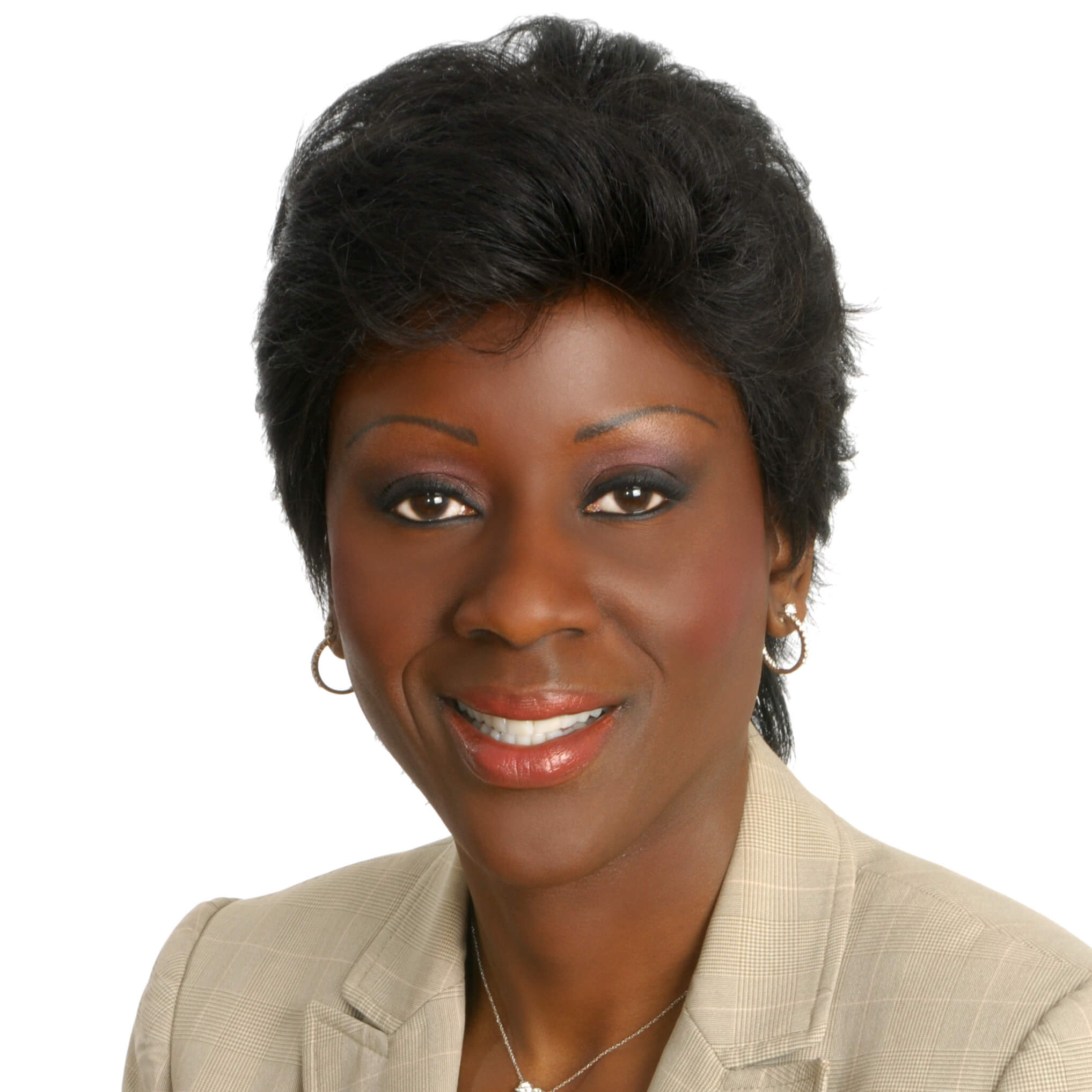
JOHN SHEGERIAN: Welcome to another edition of Green is Good. Today we’re in San Francisco at the Green Festival. We’re so honored to have with us a special guest, Jill Riley. She’s the CEO and President of Alapure Cosmetics. Welcome to Green is Good, Jill.
JILL RILEY: Thank you, John. It’s great to be here.
JOHN SHEGERIAN: So happy to have you. But before we get talking about all the great products we see here in front of us and more of your great products at Alapure, I’d love you to share the Jill Riley story and the journey leading up to founding and owning Alapure Cosmetics. Was this part of your family upbringing or part of your education process? How did you become such a sustainability person, someone who really cared about the Earth and the environment?
JILL RILEY: Thank you, John. While growing up, I have always been concerned about what I put on my body. Additionally, I love to travel and I have been to about 34 countries to date just for fun. I love to learn about beauty tips, beauty secrets. It was in 2012 when I visited South Africa. I learned about the marula oil, and doing some research and even using the oil, I was so amazed by it and its benefits that I decided to launch the Alapure Cosmetics brand with marula oil as the key ingredient.
JOHN SHEGERIAN: I’ve never heard of marula oil before. Tell us a little bit about what is marula oil, where is it found, and where is it derived from?
JILL RILEY: Great. Marula oil comes from the tree growth in the southern parts of Africa. There are about 25 countries that have marula fruit, particularly South Africa, you’ll find it in Zimbabwe, Namibia, Botswana, Swaziland. It grows in the wild. It’s not cultivated. It’s really very high in oleic acid, omega-9, so it’s really great at penetrating the skin. It does a great job at getting into the skin and moisturizing it deep within the surface.
JOHN SHEGERIAN: Had this ever been used before in other cosmetics or soap that we’ve been socialized to before in the U.S., or are you the first person actually using and leveraging marula oil as a beauty and cosmetic tool?
JILL RILEY: It has been used. Use of the tools that are used to extract the kernels goes back 10,000 B.C. Actually, the African people have been using it for centuries for its healing benefits, for its anti-aging benefits, as a sunblock, particularly for getting rid of stretch marks after having babies. So it goes back quite some time. As far as its use in the United States, in 2012, we didn’t find many companies using it back then. To date, there are a lot more. I believe the Body Shop is also using marula oil in their cosmetics.
JOHN SHEGERIAN: So you found the marula oil, you saw that it was great for your skin and you saw that people were using it, you learned more about it. How did you
go from there to becoming an eco-preneur creating these wonderful products? What was your background before founding marula oil? How did you know how to turn it into these wonderful products that are sitting here in front of us?
JILL RILEY: What I know is what works for my skin, what works in my body. I actually had to work with a chemist to help me to formulate the products that we have. We have some soaps. We have a couple soaps. The main ingredient in the soap is oleic acid. Marula oil is not the key ingredient in the soap because marula oil is best if you can put it on and you let it sit on the skin. It’s not something you want to put on to wash off. The box is also made of 100% recyclable material. There’s marula oil, palm oil, coconut oil, and vitamin E in the soaps. It has about 78% oleic acid in the marula oil, but I added to that sunflower oil. The reason for doing that is because marula oil, while it’s very rich in omega-9, it doesn’t have as much omega-6, which is good for locking moisture in. The sunflower oil complements it nicely, as it’s very rich in omega-6.
JOHN SHEGERIAN: Who helped you, though? Were you a chemist or did you have a beauty background? I mean, really. You find this wonderful product and turn it into these wonderful products is part science and part art. How did you do that?
JILL RILEY: It’s mainly part nature, I would say, because the marula oil by itself is just wonderful. You really just have to put it on the skin and experience it.
JOHN SHEGERIAN: Where do you make these products?
JILL RILEY: Everything is made in the United States.
JOHN SHEGERIAN: Have you imported the marula oil?
JILL RILEY: We get the marula oil from South Africa. It’s sourced from a women’s cooperative in Limpopo, which is in the northern part of South Africa.
JOHN SHEGERIAN: Is that a fair trade organization?
JILL RILEY: Yes, it’s fairly traded and it’s very interesting. We were there in 2012, and because I was so intrigued about this, we had to go back this year in March. The reason for going back is to have a relationship with the women, to find out who is actually behind this, what’s the process. It was a very interesting journey to learn about the whole process of the marula oil. There’s a very short fruiting period. It fruits from January to March. The fruits have to fall to the ground naturally. Nobody picks the fruits. It just falls to the ground naturally. The cooperative is divided into three sectors. The first sector, the women are responsible for collecting the fruit. That’s all they do, collect the fruits. After the fruit is collected, it’s washed and it’s very interesting. On my little graphic there, you’ll see that the next thing that happens is that they make marula beer, which is very, very important. This beer
doesn’t give you a hangover. It’s also an aphrodisiac. There’s a marula festival also.
JOHN SHEGERIAN: Sounds like a wonder. This is a wonder product you’ve discovered here, right?
JILL RILEY: It is. It certainly is. The interesting thing with the marula beer, also, is to get the fleshy part of the fruit away from the seed, once that’s removed, the seeds are left to dry for three months. Then it’s washed and cracked open with special stones. I tried cracking the seeds, and it took me about 29 tries. The women normally do it in about three tries. After that, a special tool is used to extract the kernel. Then that’s pressed and the oil is extracted.
JOHN SHEGERIAN: There’s more to it than meets the eye.
JILL RILEY: There is a lot more than meets the eye.
JOHN SHEGERIAN: Wait a second. I want to back for just a second. The marula beer, is that part of your grand plan, to bring marula beer to America?
JILL RILEY: No, I’m not going to bring marula beer to America.
JOHN SHEGERIAN: It’s all about beauty.
JILL RILEY: Yes, it’s about beauty.
JOHN SHEGERIAN: How many women are employed in this community?
JILL RILEY: There are about 76 total.
JOHN SHEGERIAN: That’s wonderful.
JILL RILEY: The third sector, which I didn’t talk about, is still being developed. What they’re interested in is not just making the oil and sourcing the oil, but also in making things like lotions and skin balms and lip balms, etc. This is where Alapure Cosmetics is actually working with them to help refine that process, to help them in making things like lotions and stuff, so that they can improve their value add.
JOHN SHEGERIAN: Wow. Who helped you come up with going from this process to developing these wonderful products? Did you have a friend or you just hired someone?
JILL RILEY: I hired someone, a specialist to work with me to get the products that I want to bring to the people.
JOHN SHEGERIAN: If you just tuned in on the radio or you’re watching here on our
YouTube channel on Green is Good, we’re with Jill Riley, the CEO and President of Alapure. You can find her at alapure.com. How did you come up with that name?
JILL RILEY: Very interesting, because I wanted the products to be as pure as possible. It’s representative of all, ala, and then pure. Also, the Tabono symbol that you see around the Alapure is an ancient African Adinkra symbol. It’s called a Tabono, and it stands for strength, confidence, and persistence, which embodies the brand. It embodies the people who utilize the products.
JOHN SHEGERIAN: So the logo is just not pretty, it means something. It has meaning behind it.
JILL RILEY: Yes, certainly, it does.
JOHN SHEGERIAN: Wow. So how’s it been going so far, since you started the company a couple of years back? Where have you been selling your products, and where can our listeners and our viewers find your great products?
JILL RILEY: The products right now are available at alapure.com. It’s also available on Amazon. We’re in the process of spreading out, getting into the stores and stuff, but it has been a long journey, but it has been a wonderful journey. We get a great reception from people at the Green Festival. We have been to the Chicago, New York, Washington, D.C. Green Festivals.
JOHN SHEGERIAN: So you found a lot of value with being here at the Green Festivals. People can touch and smell and feel your great products.
JILL RILEY: Yes, that’s one thing. People always want to touch, smell, feel, and experience it. The one thing is once the people that we encounter, once they have that ability to touch and feel the products, it’s just a no-brainer. I saw somebody got converted yesterday, a gentleman who had no intentions of buying the products. I said, “Just one drop, that’s all you need, just one drop.” He allowed me to put one drop of oil on his hand. He bought the oil. He bought some soaps. He was converted.
JOHN SHEGERIAN: So this is certainly winning sub-stories, Jill. First of all, you’re supporting a sustainable and fair trade community back in Africa. Second of all, you have a woman eco-preneur, as in Jill Riley. Third of all, this is really great for all our listeners and viewers who want to use your great products because this is a natural product, no chemicals or additives in it that’s going to make their skin feel better and be better for their health all around.
JILL RILEY: Certainly it is. It just works so wonderfully. It’s not greasy at all. You put it on and it soaks right into the skin. It leaves the skin with a wonderful glow and the nutrients, actually, work. I use it mainly at night, the oil. I put about three drops on my face, I massage it in, I go to bed, and the next morning I get up and I’m just like
wow. That’s how it works. It’s very simple.
JOHN SHEGERIAN: For our listeners and our viewers out there, please go to Jill Riley’s great website. It’s www.alapure.com. Jill Riley, thank you for being our guest today. You are truly living proof that green is good.
JILL RILEY: Thanks, John. I appreciate it. Thank you.
Top FAQs from the Episode
Here are answers to some of the most common questions from this conversation.
Jill Riley describes working with a chemist to develop products around marula oil. She discusses combining her own product interests with formulation expertise.
Riley describes visiting the women involved in collecting and processing marula fruit. She explains how that visit helped her understand the people and steps behind the ingredient.
Riley describes wanting the name to reflect her interest in product purity. She also discusses the meaning and visual symbolism associated with the brand.
 Spotify
 Apple Podcasts
 Amazon Music
 iHeartRadio
 YouTube
 YouTube Music
 Audible
 Pandora