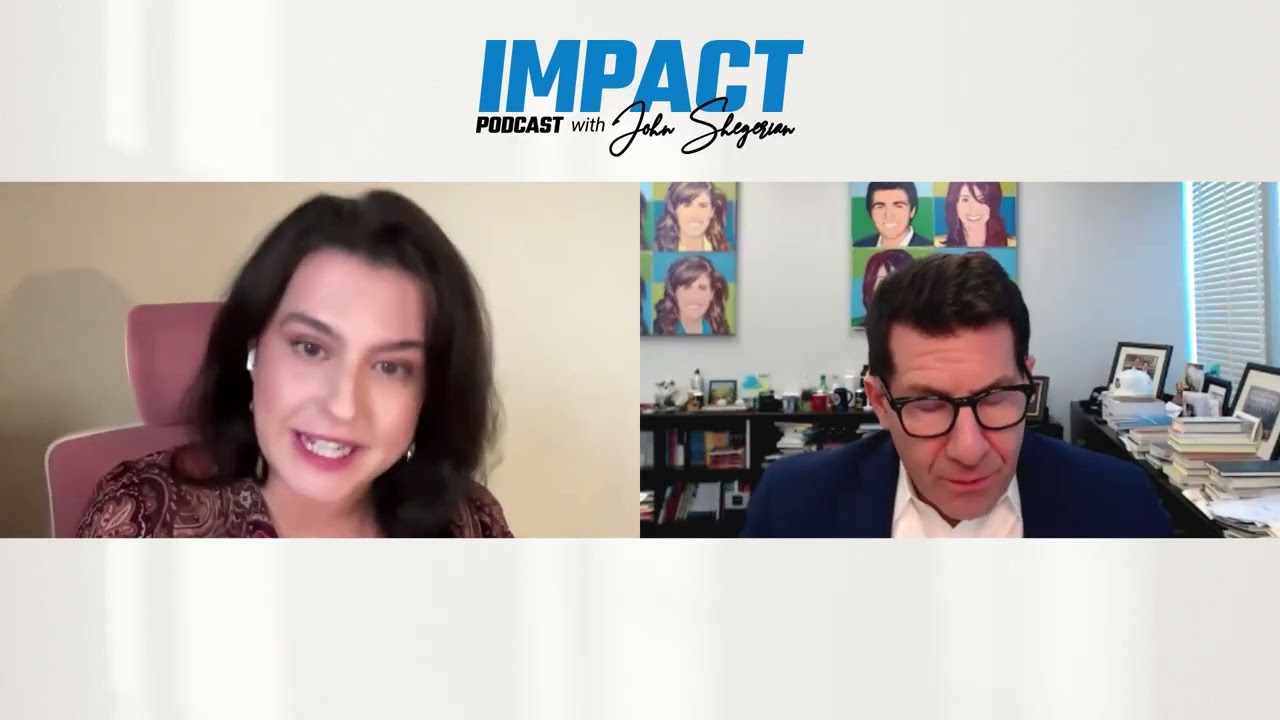
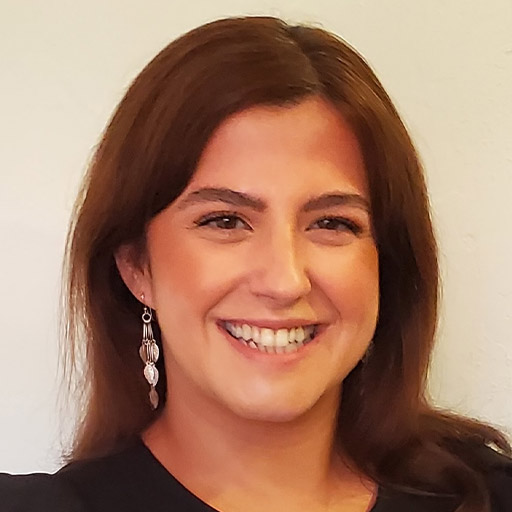
Mary Mazzoni has reported on environmental sustainability, corporate responsibility, and social change for more than 15 years and now serves as the Executive Editor of TriplePundit, which covers these themes through the lens of solutions journalism.
John Shegerian: Get the latest impact podcast right into your inbox each week. Subscribe by entering your email address at impactpodcast.com to make sure you never miss an interview. This edition of The Impact Podcast is brought to you by ERI. ERI has a mission to protect people, the planet and your privacy, and is the largest fully integrated IT and electronics asset disposition provider and cybersecurity focused hardware destruction company in the United States and maybe even the world. For more information on how ERI can help your business properly dispose of outdated electronic hardware devices, please visit eridirect.com. This episode of the Impact Podcast is brought to you by Closed Loop Partners. Closed Loop Partners is a leading circular economy investor in the United States with an extensive network of Fortune 500 corporate investors, family offices, institutional investors, industry experts and impact partners. Closed loops platform spans the arc of capital from venture capital to private equity bridging gaps and fostering synergies to scale the circular economy. To find closed loop partners please go to www.closedlooppartners.com.
John: Welcome to another edition of The Impact Podcast. I’m John Shegerian, and I’m so honored to have with us today, Mary Mazzoni. She’s the executive editor of TriplePundit. Welcome Mary to the Impact Podcast.
Mary Mazzoni: Thanks, John. Thanks so much for having me. I’m really excited to be here.
John: Well, as we discussed off the air a little bit, you are in line with your two predecessors, Nick Aster, who’s the founder of TriplePundit, who came on this show in 2015, and then Leon Kay, the former executive editor who came on in 2021. So it’s so great to have you on to share the continued journey as you and I know, there’s no finish line in sustainability. There’s no finish line really in business. Businesses that are supposed to be around and are being run well. So it’s just really fun to have the continuum of you following Nick and Leon, who are just wonderful guests as well.
Mary: Thrilled to be here and continue up the trend and happy to be in their company for sure.
John: Mary, before we get going and talking about all the great things you and your colleagues are doing at TriplePundit, can you share a little bit about your backstory? Where’d you grow up and how’d you get on this fascinating and important journey that you’re on?
Mary: I was born and raised in rural Pennsylvania. I was the only child of parents who were both working in services for people with disabilities. My dad worked as a job coach for over 30 years. My mom was in special education. There value set towards service to community was really something that shaped my viewpoint a lot. Kind of working my way through life out here. I was also really interested in journalism even as a kid. I started a class newspaper in the fifth grade. I was on the staff of our high school newspaper, but I actually left in protest ’cause I thought they were censoring my editorial. I was kind of a pain even then, but I kind of feel like people who were a pain as a kid grew up to be good reporter. So it worked out well for me. But really pursued it at college when moved to Philadelphia, attended Temple University and was really happy to pursue that passion there, but really fortunate in particular to attend Temple. A lot of their professors in their journalism departments. Yes. Go out and they have the rep for a reason really. It’s stellar seller program. Most of their professors are adjuncts who are working in the field. So folks who are actively editing the Philadelphia Enquirer or daily news newspapers the local broadcast affiliates, or Philadelphia magazine. So these are folks who are actively working in the field today, who are giving up their time to really help foster the next generation of journalists. I was really, really fortunate to have studied under a number of them and really kind of get that foundational knowledge to move forward with in journalism as a field. But how I ended up in sustainability, impact journalism in particular, kind of happened almost by accident. I was kind of looking around and seeing this covered a bit more in the media. This was around to date myself around 2009. A number of years ago now but it was really starting to begin to trend. More people were talking about it in the press and I was personally interested in it. I grew up rural, we composted, we recycled we volunteered. So it was something that was, I had a personal interest in. But I noticed that not many of my classmates were ever really claiming these topics as beats for our projects. So I started claiming them and then I happened to get internships at sustainability related publications. And really the rest is history. I worked at the editorial arm of a recycling location platform called Earth 911 out of college transitioned into a couple other reporting and editing roles, and ultimately landed at TriplePundit around 2013 or so and has been contributing on and off as a writer and as an editor ever since really happy to have seen the platform grow as the space has grown and as so many more people have gotten into this conversation.
John: Let me ask you this. When you were growing up and you were already in fifth grade getting involved in the journalism world, who was your number one inspiration? If you could be any journalist out there that exists today or has past, who’s your favorite that exists?
Mary: Man. I really, I’ve always looked up to Walter Cronkite the voice. This calming voice right of the nation. No matter what the issue was times that were frightening, times that were uncertain this steady voice appeared to usher people through this. I feel like there’s a long legacy of journalists who have played that role, either through reassurance, a steady voice amidst the chaos or also really necessary truth telling. You look at other writers like a James Baldwin or Tony Morrison, where people are just out there telling truths that need to be told in a bold way. I feel like I’ve always wanted to be a part of something like that. To hear what people said that wasn’t really being talked about a lot that others should hear and really be part of facilitating more people hearing about.
John: Interesting. Walter Cronkite, I would never have expected you would’ve said that. Talk about an old school name. My generation he was the Voice of America and then we had the whole generation of Broka and Jennings. Then you had the other woman journalists too. You had Connie Chung and Katie Couric and another whole range. So it’s fascinating. So you joined in 13, it’s 2025. When did you decide that you wanted to stick in this, as you said, impact journalism, Solutions journalism, and grow your role there?
Mary: TriplePundit is fantastic. It’s a really great platform. It was founded by Nick Aster back in 2005, so we’re celebrating our 20th last year coming into this year. And he launched this site really as a side project with some of his classmates in the first class of Presidio University’s MBA program, which was the first in the nation to have a focus specifically on sustainability. So the site really grew as the space grew. It was there at the very beginning and it’s really been a fantastic platform for career journalists as well as experts who are working in impact fields to really share their perspectives on these kinda emerging concepts as they came to the fore and as they grew and became more mainstream. Now it’s really something that everyone’s talking about. But when you think back to those days, it was very rare to hear people talking about corporate sustainability, corporate responsibility. Not as many companies by far were reporting on these issues, so it was kind of still considered to be very much a niche topic. It always seemed like there was so much more potential to this at least to me. When you hear people talking about the foundations of corporate responsibility, sustainability as you know it’s just good business. This is how you operate a business to take responsibility for the externalities that you create, but also to grow for the long term. You have to be aware of the risks that are ahead of you, but also fostering positive relationships with the communities where you operate and really getting that social license to be able to continue to grow in those communities. They want you there. They view you as a positive partner versus viewing you as extractive or as a negative actor in your community. You’re looking at them as positive actors. So I feel like that was something that I saw a ton of potential in, all of the contributors and editors at TriplePundit over the years have been super excited proponents of this work. So I really kind of fell into writing roles early on and became an editor pretty early in my journey with 3BL and I’ve really been excited to have gotten to review and see all of the contributions we’ve gotten over the past 10 years it’s really interesting to see how it’s evolved. For sure.
John: You’re young. You’re still very young. When did you become the executive editor?
Mary: I became the executive editor in 2023 and also helped to kind of at that time usher our transition to solely a Solutions journalism platform. So TriplePundits always kind of considered itself. We used to describe ourselves as cautious optimists. Where it’s like where you look real like kind of like a trusted verify. And we’ve always really taken that eye towards solutions reporting. But we never really formally adopted Solutions journalism as the lens through which we tell stories. It’s something that not a lot of folks have heard about, but is definitely out there. The Solutions journalism network has been promoting the style of reporting for over a decade. It’s used by around 2000 newsrooms worldwide as a way to tell stories. And probably most people have seen it, but they’re just not aware that they’ve seen it. I’m excited to chat a bit more about that today as well.
John: Well, that’s important. I wanna get into that, that’s a really important topic. We haven’t covered it here, which is to me even the shock given that we’re the Impact podcast and that’s literally what we also do on a regular basis. But let’s go back, how many writers both full-time or part-time are submitting pieces to you, and how often do you put out your wonderful product?
Mary: Particularly with our renewed focus on Solutions journalism, on original journalism, Solutions journalism does take time. So we publish a bit less frequently than we used to. At our peak we were probably publishing 15 stories or so a day. Really every piece of news about corporate sustainability or responsibility, we probably had some piece of coverage up about that with the depth of some of our more recent reporting. It does require a decrease in volume. We do have a new solution story up every weekday. That kind of peels back a layer on the corporate side of things, as well as just how innovators across fields, whether it’s folks who are working in communities startup, founders, nonprofits, governments are exploring interventions that are being proven to be effective at solving some of the problems that we face and really taking a closer look at that. We have a pool of about, I’d say 12 to 15 regular contributors who are spanned worldwide. We’re always interested in expanding that pool of contributors. We also are fortunate to publish a lot of guest contributions from folks who are working in CSR corporate sustainability impact investing roles to really share more about what they’re seeing firsthand in the field and how that could really impact the way our audience looks and perceives it.
John: That’s fascinating. So talk a little bit about, how do you spend your time on a day-to-day basis?
Mary: Well, it’s definitely a balancing act. Because I serve as the executive editor of TriplePundit. I’m also the VP of content for our parent company 3BL, which is an impact communications partner for companies and nonprofits. We work with organizations to help them tell their impact stories. While the day-to-day duties of both of those roles are very much separate, there kind of is a lot of overlap. I feel like I learned so much from 3BL’s roster of corporate and nonprofit clients, just about the unique challenges they’re seeing in their fields and how they’re looking to navigate that and really exploring that more brainstorming with clients, talking about what great comms in this space looks like through the lens of the 3BL side of the conversation really does inform how I approach TriplePundits journalism and our reporting. But I would say good, I try to reserve. As much of my time for TriplePundit and fostering our editorial as I can really love to spend time working with our writers to really develop stories that are not being told elsewhere and really figure out some creative ways to tell those stories for our audience.
John: That’s an interesting straddle that you make. Does the work that you do at 3BL not only inform you, but also make the work that you do at TriplePundit? Does it help educate you and place you in, now you are in different shoes. At 3BL you have clients that are asking for more visibility, more focus on their challenges and getting their information and work out there. Not always easy in the sustainability or impact space. But does that help you do a better job at what you’re doing as the executive edito at TriplePundit?
Mary: Yes, absolutely. Because it is really, especially the past few years, the internet is changing so quickly. So not only the way that we’re talking about impact and these conversations, but just the way people get information online is changing so quickly. It’s difficult to capture people’s attention about much of anything these days, let alone topics that are perceived to be somewhat niche still. Talking about impact topics, it’s not always the hot trending headline or the clickbait that you might find. So it’s always hard to get people’s eyes on this type of stuff. So working with nonprofits and companies to talking to them about their own impact stories, the challenges they’re seeing, how they’re addressing them, how they’re working in their communities, and looking to build efficiency in their businesses it’s eye-opening to see what they’re doing, but also figuring out new fresh ways to talk about that that will reach audiences and folks will stop and and click on, is a constant creative exercise that I feel like is really beneficial for what we’re doing with clients at 3BL. But it also really just always opens my mind when it comes to how I reflect on telling stories from a purely editorial perspective.
John: Got it. For our listeners and viewers who’ve just joined us, we’ve got Mary Mazzoni with us. She’s the executive editor of Triple Pundit. To find Mary and her colleagues in all the impactful and great work they’re doing in sustainability and impact please go to triplepundit.com and 3bl.com. You don’t have to stop driving your car or walking your dog or working out with your weights, we’re gonna put this all in the show notes. Mary, now let’s go back to Solutions journalism. What’s your definition Solutions journalism?
Mary: Yes. So Solutions journalism. I feel like some folks hear Solutions journalism and they think of kind of like good news. Look at this puppy that was rescued from the well, like this type of thing. That’s really not kind of what we’re going for or what this style of reporting really is. It’s kind of just really based on the notion that some I think is radical. But just kind of that solutions to challenges are also newsworthy is really the central idea. Interrogating challenges not just through the lens of the problem, but also how people are working to solve it and what we can learn from them. Whether they succeed or not. I think in the sustainability and impact space in particular a lot of reporting is very problem focused. You hear the latest report is out. It’s worse than we thought. It’s just we’ve gotten do all the like, it’s time to be really scared you guys. There’s such a place for that, we have to make people aware of that. There’s a huge role of journalism to raise awareness of challenges that are facing our communities and our society. But when we focus so singularly on the challenge, we don’t leave a lot of space for what we can do about it. When people read solely problem-focused coverage around sustainability issues like climate change, environmental pollution, social inequality it’s really easy for them to believe that we just don’t know what to do about these things. We’re at the mercy of waiting for new technologies to be invented or new big systems changes that may or may not ever happen. But when you really look at the evidence, that’s not really what’s happening here. We do have for example, in the climate conversation, we could get almost all of the way to capping global temperature rise well below two degrees Celsius solely by going in more wholeheartedly on proven climate solutions that we already have at hand today. We don’t need to wait for new technology in order to see quick and measurable progress in that area but reading mainstream coverage, it’s often difficult to determine that. Audiences often aren’t aware of that. There’s actually a really compelling body of peer reviewed research that documents what Solutions Journalism means for audiences and how audiences perceive it. When folks view Solutions coverage, they’re more likely to say things like, I view the problems and challenges facing my community as surmountable. I want to be a part of taking action on these challenges. Which is really the kind of spirit that sustainability and impact fields need today. We really need people who do believe these challenges are solvable, who want to learn more about how people are solving them and who want to be a part of taking action. It’s really compelling to see how audiences respond to Solutions Journalism in general. And that’s what really caught our attention for bringing it into sustainability and corporate responsibility news in particular. It’s not a lens that’s often used in our field, we think we’re the first platform to adopt Solutions Journalism across all of our reporting for sustainability and corporate responsibility. So it’s definitely a perspective that’s not often used, and it’s one that I think is necessary for folks to get a complete picture of the truth on these issues. Yes, these problems are urgent, we need to take action, but we know a lot of what we can do about these things. We have evidence, we have compelling case studies we can look toward and we have ideas that we can look to scale but often we’re not hearing enough about them.
John: Talk about competition. I read a lot and I’m in the sustainability business. I’m in the recycling business, and also the impact business because of this show. How much competition do you really have in your space? Because personally I don’t see a lot out there. What do you see? We don’t have to name names, but is it a crowded field, not that crowded field in terms of journalism? And are more people coming in or more people exiting?
Mary: What part of the impetus for us sort of taking this pivot towards Solutions Journalism bringing something new, was sort of the awareness that there are so many more players when it comes to reporting on these issues. When TriplePundit first got started it was kind of 3P, Green Biz sustainable brands. Some of the really long time players that were reporting on these issues, somewhat smaller independent niche publications. Now, most of the major media organizations have reporters on this beat. They are covering corporate responsibility, sustainability, impact investing, social equality, and related topics fairly regularly in their newsrooms. So there is a lot of competition there in terms of there are more people talking about these things, which is great. But I do think it’s, as we kind of talked about a bit, so much harder to get your message through on the internet today particularly if you’re not one of the largest organizations out there. It’s become so much more difficult from the rise of AI search results to the way that social media is treating link sharing compared to years past to kind of some changing technical requirements for things like emails that can make it harder to get your newsletters delivered to your opt-in subscribers. There are just a lot of factors out there that make it really hard to reach people with any message. But I think it’s sustainability in particular there are more people talking about it now, which I generally view as a positive thing. But some of these other changes that make it harder for messages in general to reach people, I’m kind of a little less excited about. I think that’s something that all of us in media are navigating.
John: Remember I’m an old guy, I’m 63, and your digital native and the world is, as you say, ever changing when it comes to news delivery, information delivery. Does the Instagram world and the TikTok world impact your work at 3BL and TriplePundit? And how do you make sure that you are still staying relevant and red and listened to in a world that, like you said, new products and new services are coming on online and people are using them more than ever before?
Mary: There’s such a huge rise now of social media folks looking towards social media as a news source. There are some reasons why that is, and there are some implications tied to that. But I think when really you think about why are folks looking towards social as a way to get their news, we see declining trust levels in some cases in the media, there are a lot of reasons for that. But when people look to a face on social media, an influencer, they perceive someone they can trust. I know this person. I’m in their apartment. I see them getting ready in the morning. When they tell me something, I trust ’em. I think that that really is the biggest commodity today in terms of how we’re all exchanging information is trust. If you’re an outlet that folks can trust, folks are much more likely to engage with you. I do think the rise of things like the social media influencer or short vertical video in general has changed a lot for media as a field. A lot of folks relied on sharing their news to social media, you post a quick link on LinkedIn or on Twitter and folks see and reshare. That’s just simply not the way folks are absorbing information and exchanging information on social media these days. Link sharing is not really the preferred method of communication on these platforms. Folks are really looking for the video in a lot of cases, and the the algorithms are favoring the short vertical video, which can make things tougher for news platforms. Just one other area where you’re used to being able to draw viewers to your coverage is kind of cut off or is declining. But I really think the central reasons why folks are looking toward a social media influencer for better or worth is ’cause they feel that they know that this person and they can trust them. In some cases we do see misinformation being spread by influencers online. So there are good and bad sides to those things. But I think that when we see a decline in trust in journalism as a field, that’s something that we should pay a lot of attention to. What is causing that? What is leading to readers to maybe trust us less and look for other avenues to gain information?
John: I love it. How about the major media platforms CNN, Bloomberg, MS Now, Fox, just to name a few. BBC.com and BBC, NHK. Are any of them doing any work in Solutions journalism that’s exciting or they’re really leaving it more in nichey for groups like yours, 3BL and TriplePundit to handle?
Mary: There are. As I mentioned, there are around 2000 newsrooms globally that do tell Solutions journalism stories. It may not be the only style of reporting they use, but they are telling solutions stories including major media organizations, what has actually avenues where solutions journalism has been particularly successful, as in a lot of cases local news coverage, major metro dailies, the local affiliates of broadcast stations, they often find that they’re searching for a story every day. They have to fill the airtime, they have to fill the paper. There are few regular channels of news that are coming to them. One of those big channels in a lot of cities is the police press wire. So because of that, it can often bias crime coverage on the local news channels. Local outlets are conscious of this, they don’t wanna leave people with an impression that crime is all that’s happening in their cities. So looking towards Solutions journalism as a model has become more popular at a lot of major metro dailies, major local news affiliates serve in big cities in the US and globally because they wanna find new ways to elevate often undertold stories about their community that can tell a more complete picture about what’s happening. So it is something we see large news organizations doing. We do see kind of the big national outlets telling Solutions journalism stories sometimes as well. I think it’s a really positive trend. Again, if we’re only problem centering we kind of we miss a lot of other stories that are worthwhile.
John: Talk a little bit about undercovered areas in the world of impact solutions, sustainability, circularity. What does undercovered areas mean with regards to the work that you do with 3BL and at TriplePundit?
Mary: I really think in general we are not hearing enough about what’s happening to people on a day-to-day basis in communities. What people’s real experiences are. We hear a lot about the macro trends, which of course are important but I feel like it kind of continues to center the conversation around a lot of the same players. The wealthiest, the most powerful. If you scan a newsfeed you’re likely to see the same dozen people’s picture over and over again. Likewise, if you search out news on a particular place you might find a lot of the same coverage. You might find coverage about Appalachia that’s very centered on job loss or declining industry. You might find a lot of coverage on Africa or the Middle East, that’s very told through the lens of poverty or through conflict. There’s so much more to the human experience of people who are living in these communities that we don’t hear about nearly as often. I think Solutions journalism is a really interesting way to approach those types of conversations. It’s really about just simply elevating responses to problems, and in a lot of cases, this is happening on a small scale. It’s happening at a local level, it’s happening with small organizations, small groups of people who have an idea, wanna see it through and are seeing evidence of positive progress. But when we’re very much focused on the big picture all the time, how is this gonna affect geopolitical issues? How is this gonna affect the overlap of issue across economies? These are super important parts of the conversation, but we miss a lot of the people story. We miss a lot about how these issues really make a difference in people’s day-to-day lives. And people wanna hear about people. Those are really the stories that connect the most. So I think in certain topics, we can start to see audiences disengage or not really wanna read about this because they either depresses them or they feel disconnected from it. It’s just, this doesn’t have anything to do with me or with my life. I think more of a focus on how people of all walks of life are experiencing some of the issues we cover, how it’s making a difference in their lives positively or negatively, and how they’re working to address that is something that a lot of mainstream press just doesn’t have the time or resource necessarily to always cover. But I do think it’s a missing piece that we really, we need to hold on.
John: Talk a little bit about the challenges of what you do on a day-to-day basis as executive editor. Why is a solutions newsroom different from a traditional newsroom and some challenges that that brings with it?
Mary: Time is a big one. Solutions journalism takes time. It feels like there’s never enough hours in the day to do all of the things that we’d like to do. It kind of in an era of high volume journalism, AI driven like robot reporters, in some cases, it can be tough to keep up when you are being more thorough. When you’re being more intentional about seeking out and elevating stories that are original to you that can’t be found elsewhere. It naturally takes a lot more time and effort to produce those things. Speaking with editors and other solutions platforms and independent newsrooms more broadly. It’s a similar challenge that all of us are sharing. It’s like we always wish we could clone ourselves and just do more with what we have, but it always seems time is always a bit of a challenge. We’re fortunate compared to a lot of other newsrooms that we’re not as resource constrained as some because we have a parent company. We’re fortunate that we have through 3BLs backing, they’re able to help us provide us with resources. There were a lot of other small newsrooms, particularly as ways that we get information of all, they’re having trouble breaking through the noise and they’re really, really struggling. We’re fortunate that we have some assistance with that, but resources are always gonna be challenging when it comes to the news. All of us would always wish our teams were bigger we could do more. I think that when it comes to solutions journalism, because our contributors are often so connected to the topics they’re covering, they feel the same. Like I wish I could do five stories on this. But we’re all limited by human capacity.
John: Mary, how do you get informed? You’re young, so you’re a digital native and you’re in the journalism industry. How do you go through your day in terms of what you’re consuming, what you’re looking at? What’s inspiring you? What’s giving you ideas on how to drive some future stories that you think your audience would be interested at TriplePundit? How do you consume and the inputs and the outputs of what goes through your day to day.
Mary: My goodness. I probably read more news than most people should. But it’s definitely changing how I get information. I’d say I was definitely a huge Google news person for many years, really how I got most of my news. But as things shift I find that a lot of the smaller platforms I enjoyed reading from, were not popping up in my Google newsfeed as frequently anymore, so I really have to go seek those stories out. I subscribe to newsletters, I keep some of my favorite outlets bookmarked, and I really encourage news audiences to do that. If you are like I remember reading from these guys a couple years ago, I never see them anymore. If you go to their website they’re probably still publishing, but they may not necessarily be in some of these aggregators that we’re used to using or popping up in your for you page on social media. A lot of them are still out there, so I think newsletters going directly to websites that I follow regularly has helped a lot just to make sure that I’m kind of like seeing well-rounded things versus kind of the same sources over and over.
John: Got it. AI, good or bad for what you do?
Mary: Man, I could get started. But no, I think really AI is changing a ton and I think there are a lot of positive things. There are some really interesting stories that we’ve covered about how organizations, communities are using AI to solve sustainability and impact challenges that are super interesting. When it comes to the media, I think things are a little bit more challenged. When you hear things about AI displacing human workers, AI writing for us, some newsrooms are using robot reporters today. Stories that are almost exclusively or exclusively written by AI. But I still think our jobs are safe when it comes to writers, to be honest. And when I read something that’s written by AI, I do think I can tell it’s come to the point that this stuff’s been out there for a few years now there are tells that sneak their way in and I just feel always a human writer is much better than anything that the machine will produce. Frankly, if a lot of it is plagiarizing from copyrighted material. So I will say to any journalist who may be considering pulling copy directly from a chatbot please do not do that because you may be unknowingly plagiarizing from another writer. So there is always a factor there, but in terms of news production I think there’s a place for it. I think we’re still finding that place in a lot of cases in the field where can we best use AI to do research, to save time, to help us think about things differently without really allowing it to obstruct our creative process when we’re writing, or also frankly, giving of our critical thinking to this machine. Like we should be thinking. Don’t outsource that because that’s what makes you and your work special, is what your brain can do. If we don’t use it, we lose it. So we have to be careful about it.
John: That’s true. It’s really true. Talk a little bit about 3BL. Give an example of a nonprofit that you work with and then a for-profit. You don’t have to name names, but what do you do for a for-profit company that’s looking for more visibility to increase their client base, to grow their revenue and grow their sales? And then what do you do for non-profits at 3BL?
Mary: Absolutely. Well, 3BL has been around almost as long as TriplePundit. They were founded in 2009 as an impact communications partner for organizations. They have a network of sustainability related websites where organizations can distribute their content, but we also work with the our clients, nonprofit and corporate to help them really identify what’s special about their story and tell their story in unique and creative ways that have an opportunity to really break through and connect with those audiences. I will say it’s a little bit different when it comes to nonprofits and corporates. They’re usually looking to communicate about different things and for different reasons. We don’t usually help nonprofits directly to solicit donations, for example we’re more so helping them too raise awareness of all of the positive work that they’re doing and the impact that’s having on communities. Whether it’s conservation organizations, hunger relief organizations, humanitarian organizations. We’ve worked with a number of super impactful nonprofits who are doing great work in their communities and worldwide. But a lot of people don’t really either know about this work, or the only time they really see comms from the nonprofit may be in the context of a donation. A piece of generation be like, Hey, we’re looking to fundraise. Will you give us $5? Which is great, but like you’re more prepared to give the organization $5 if you know more about the great work that they’re doing, you’re excited about them and you really see them as having a positive impact. I think in some cases, we’re still thinking, well, people will go to our website and they’ll find out. Today the average person is not taken that type of initiative, always our attention spans are shrinking greatly. So I think it really becomes about meeting people in various places they’re gathering online with your message, and then hoping that over time that will really start to stick with people. I think it’s similar for corporates. Where it’s really looking to reach out to people on these sustainability and impact focused websites where folks were already coming to learn about these topics. They’re already prepared to read about sustainability, putting corporate stories in that context automatically gives it a bit of third party validation. But I think what really stands out most about how we work with corporate customers is really a lot of back and forth around what’s special about your story. A lot of folks are kind of focused on similar topics. We all wanna help our communities, we wanna improve efficiency in our organizations, but the way in which each organization does that is very much different. Having talked to many leaders across sectors each organization really does approach these conversations pretty differently. So it’s interesting to identify and to lift up what’s special about those stories so they can really stand out more. Because we’re really all in kind of a war for eyeballs out there so it’s really about kind of how can you quickly articulate what makes your story special and what you’re most excited about. So it’s kind of a little bit of a tweak on how we do that, depending on the organization. But it’s kind of a similar.
John: Do you do more for-profit companies or more nonprofits at 3BL do you handle?
Mary: We do more corporates for sure. We have a lot of Fortune 500 companies in our book of business. There are a lot of large organizations who are looking to communicate about these topics today. Even under the current political environment that we’re in, the data continues to support and we continue to see that organizations are still very much focused on these topics. They think they’re important in terms of how their customers and employees perceive them, and they wanna keep talking about it. We’re mostly corporate I’d say about 20% nonprofit, NGO in our book.
John: The great message I think you just shared is that the environment’s here to stay.
The world is here to stay and it’s our job to be a good steward of it. Administration’s come and go.
Mary: Yes.
John: Being good stewards both as people and as corporations go. I think everyone realizes these trends of circularity and material resource recovery are not going anywhere. They’re only growing actually. That’s a net positive.
Mary: Yes, absolutely. We see that particularly globally. There is so much interest in these topics and we are fortunate to have some new contributors have come on board over the past year or so who are based in Africa, who are based in parts of the Middle East and Asia, and they’re really telling such fantastic stories about what their communities are doing to almost come like not completely bypass, but in a lot of cases kind of jump over some of those challenges that Western nations we’re dealing with in the fossil fuel economy. They’re not completely leapfrogging fossil fuels, but they’re doing things differently from the start than what a lot of what the US, Europe, and some countries or have been doing. So it’s really interesting to see that perspective of what’s happening within communities globally, beyond the conventional stories that we often hear.
John: So funny you say that. We’re opening up a facility in the Emirates and so the people who we’re partnering with said, we wanna take you and show you one of our investments and one of the ventures we’re very proud of. So they drove me out about. In Dubai they drove me 30 minutes from downtown to the largest waste to energy facility on the planet. Now I watch Bloomberg and all the other platforms out there, and I read great publications like yours which I love and it inspires me and informs me, but here I am, never even heard of this waste energy and there it is in the middle of the Emirates where you think it’s all fossil and all these great corporations are just focused on oil and gas and the truth that couldn’t be more opposite. They’re focusing on new forms of energy and new forms of sustainability and sustainable practices almost more than anyone else on the planet right now. It’s just so inspiring to see that different regions are coming up with massive success stories that are not getting classically covered by our traditional media sources.
Mary: Absolutely. In a lot of cases it’s not even just a challenge of how we’re covering these things, but if it’s being covered at all. The most recent report from Media matters, I think it was around 13 hours of climate coverage across all broadcast television in all of 2024. So when you have 13 hours, you’re naturally gonna miss a lot. It’s probably gonna be what you think is the most important thing or the capg headline. Hey, the report’s out guys, it’s worse than we thought. That’s what you have time and space for. So you by not leaving space for some of these other conversations we miss teaching people really the truth about what’s happening with these issues. It’s not that, hey, it’s really terrible and we have no idea what to do, we are doing it. In communities across the world we are doing it today and there’s a lot that we can learn through the course of doing.
John: Tracking your history, the history of TriplePundit and 3BL, tracking the history of my company ERI, 20 years approximately both have been around. When TriplePundits started and 3BL started, the term Chief Sustainability Officer Bailey existed. There was no iPhone remember, again, everyone thinks everything’s been around forever. Google was just started in 98, the iPhone 2007. These are all relatively new including this world of sustainability and circularity and all these important topics and impact. Now is this the star turn for TriplePundit and 3BL, are we at that time, is there so much interest in this space now that you’re covering that you’ve climbed this mountain for 20 years, but are you about to have your Netflix or Nvidia moment where everyone now starts saying, we do need to get informed and we need to know more stories about good things that are happening on this planet, solutions that are exist when everyone historically has thrown up their arms and say, we can’t recycle single use post-consumer plastic. Not true anymore. We can’t recycle concrete. Not true anymore. We can’t recycle electronics. The fastest growing solid waste stream in the world, not true anymore. Everything is turned on its head. Sustainability is not just a quick fad it’s a trend and circularity is a trend and they’re here to stay and your generation’s gonna continue to grow them. Is this good news for TriplePundit and 3BL, and where do you see the business of solutions journalism going in the next five years or three years even?
Mary: I do think we’ve reached a tipping point. Reached or surpassed a tipping point when it comes to people’s appetite for this information. Particularly younger generations, but not exclusively. You hear certain politicians or business people speak of it. You’d think, my gosh, the field is dead. We’re dead and buried. We just don’t know it yet. But really, when I speak with readers, when I speak with editors, it’s a completely different story. Folks are looking for this information. They’re intentionally pursuing information about sustainability and social impact. When you look on places like social media, sustainable living influencers are booming. You see a ton of people who are giving people advice on practical tips to reduce impact in your own life. People are looking for this information. They have a huge appetite for it. I think in a lot of cases they’re not finding the stories they really hoped that they could find. And I do think that for the field in general, solutions journalism has a major role to play in giving audiences more of what they’re looking for. We’ve seen a really fantastic reception since we’ve made the pivot to Solutions Journalism at TriplePundit. In our last audience surveys last year, around three quarters of our readers used negative terms to describe the news at large. They said it made them feel sad or overwhelmed or anxious. This was the majority opinion we were getting back from our audiences. Around 90% use positive terms to describe how they felt after reading our solutions reporting in a lot of cases of the same issues. Using words like informed, hopeful. These are the ways we want to leave the audience because if people are shut off, you’re not gonna be able to reach them. These stories are really important to tell, but how we tell them does have an impact on how audiences receive it. I think that folks have been hearing the urgency message, the somewhat doom and gloom message for a number of years. I think a lot of folks have realized and are aware of the urgency at this point. Now they wanna see what’s next. What can I do about this? I understand the urgency. I know we have to do something. What do I do? What are people doing that has worked? And I think that solutions journalism is naturally geared toward that type of coverage and those type of stories that I really do think audiences are curious about and are seeking.
John: A lot of young people watch our show, high school, college, post university, and they’re trying to figure out, they wanna be like you, Mary. I always say that with kindness and care and greatest respect in terms of you get to make a nice living and pay your bills, which we all have to do. No shame in saying that. But you also get to make an impact, a positive impact every day. You’re doing a great impact work and making the world a better place. People want to be like that. The new generation cares about not just making a paycheck and keeping the lights on, but making a difference. What would you suggest in terms of industries that are not only undercover by journalism, but undercovered by entrepreneurs. If we were gonna advise the next generation of entrepreneurs that want to go in impact, should they go into clean water? Should they go into more energy, nuclear energy? What should they be focusing on in terms of the next gen of exciting solutions that are needed to be not only invented but more importantly scaled, not only just in North America, but as you know, it’s a borderless world now, especially when it comes to the environment but around the world. What are some industries that are underdone that you would suggest some of our young listeners around the world to be looking into to go make an impact?
Mary: I’ll answer this in two parts. One that’s kind of more philosophical and one that’s a bit more practical.
John: Absolute.
Mary: I feel like kinda more philosophically speaking, I might butcher this quote a bit, but a quote that stuck out to me and always really inspired me from Kurt Vonnegut actually was that one of the most profound things you can do with your life is finding a way that the disease of loneliness can be cured. And we see that loneliness is an epidemic in our nation, in our world. In the age of social media, we’re disconnected from each other. We’re struggling to reach people and to connect on a human level. Finding ways to bring people together around causes they’re passionate about and belief can work is such a beautiful thing that will always give you purpose regardless of the field or what you’re talking about. I think we’re kind of almost in such a hyper competitive mindset these days. If you were to found a startup, you’d be like, how can I disrupt this? How can I beat the other guy? And of course, you have to think that way in order to be successful. But in a lot of cases how can you join with other people? How can you create community and how can we push this boulder up the hill together? It’s such a powerful perspective that’s not often the first thing that people think about. I think that finding ways to get with others who are already in this space, figure out how you can support and assist them and really be a part of the solutions they’re pushing forward is such a big part of this. That sense of community I think is often missing from the conversations we have about this, but it’s such an essential piece of them. Really, practically sustainability careers, I think, will ebb and flow depending on how organizations are staffing on certain workplace trends. You may or may not in your first job out of college land a sustainability or impact specific role. But that does not mean that your role can’t have purpose, that you can’t have a positive impact on your organization through the lens of sustainability or impact topics. Your voice matters. You can always put an idea out there, speak with your supervisor, put your hand up when it comes to projects and bring a different perspective that is centered on positive impact regardless of the role or industry that you end up in. So I think that folks who want to pursue impact careers absolutely should. There are so much space in this field for new people who are excited about it and who wanna push progress forward. But even if you don’t land a sustainability job and you’re first out of college there’s so much more that you can do and there are so many ways that impact shows up, it’s out of its silo in a lot of organizations now. So you can play an impact role in many departments of organizations today compared to maybe 10 or 15 years.
John: I love it Mary. Mary, I just wanna say in the great tradition of having Nick on, and Leon, it’s been absolutely delight having you on, and I want you to feel always welcome to come back on the show and continue this shared journey. This is very important and impactful shared journey that Nick and Leon laid the way forward for you to come on board now and take it to the next level. Thank you for spending time with us today. It’s very clear that the world needs more Mary Mazzoni, let’s just say that. For our listeners and viewers to find Mary and her colleagues and all the important work they’re doing, please subscribe to triplepundit.com and also you can look up 3bl.com. It will be in the show notes as well. Mary Mazzoni, thank you for not only spending an hour with us today in the Impact Podcast, but more importantly, thank you for making the world a better place.
Mary: Thanks so much, John. Really appreciate it.
John: This edition of The Impact Podcast is brought to you by Engage. Engage is a digital booking platform revolutionizing the talent booking industry with thousands of athletes, celebrities, entrepreneurs, and business leaders. Engage is the go-to spot for booking talent, for speeches, custom experiences, live streams, and much more. For more information on Engage or to book talent today, visit letsengage.com. This edition of The Impact Podcast is brought to you by ERI. ERI has a mission to protect people, the planet and your privacy. And is the largest fully integrated IT and electronics asset disposition provider and cybersecurity focused hardware destruction company in the United States and maybe even the world. For more information on how ERI can help your business properly dispose of outdated electronic hardware devices please visit eridirect.com.
 Spotify
 Apple Podcasts
 Amazon Music
 iHeartRadio
 YouTube
 YouTube Music
 Audible
 Pandora